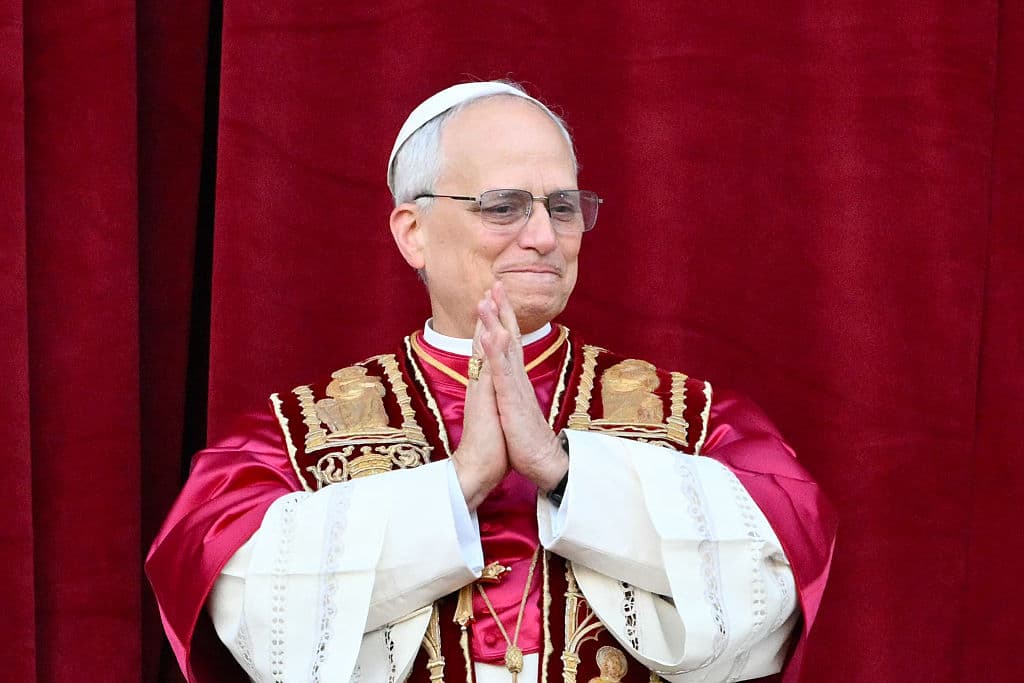
Photo via TechCrunch
Pope Leo XIV's first encyclical has generated significant discussion in tech circles, but the document's true focus extends well beyond artificial intelligence itself. According to TechCrunch, the Vatican's statement employs AI as a diagnostic tool to examine longstanding structural problems that have accelerated in the digital age: the concentration of economic and political power, the weakening of democratic institutions, and the disproportionate influence of technology elites in shaping societal direction.
For Charlotte-area business leaders, these concerns translate into practical governance questions. As regional companies increasingly adopt AI and automation technologies, executives should consider how their deployment decisions affect competitive fairness, employee representation, and community stakeholder engagement. The encyclical's warnings about concentrated power suggest that businesses perceived as extracting value without distributing benefits broadly may face mounting scrutiny from customers, regulators, and civic leaders.
The papal perspective also highlights emerging tensions in how technology companies set rules that affect broader markets and societies. In Charlotte's growing tech sector—from financial services to logistics operations—companies that rush to implement AI without transparency or community input risk reputational damage and regulatory blowback. The encyclical effectively argues that technological advancement divorced from ethical frameworks and democratic accountability creates systemic instability.
Business leaders should view this moment as a call to embed responsible AI practices into corporate strategy from the outset, rather than as an afterthought. Whether driven by genuine conviction or risk mitigation, companies that proactively address power imbalances, ensure worker transition support, and maintain transparent decision-making processes will likely find themselves better positioned as regulatory and cultural expectations continue to shift.