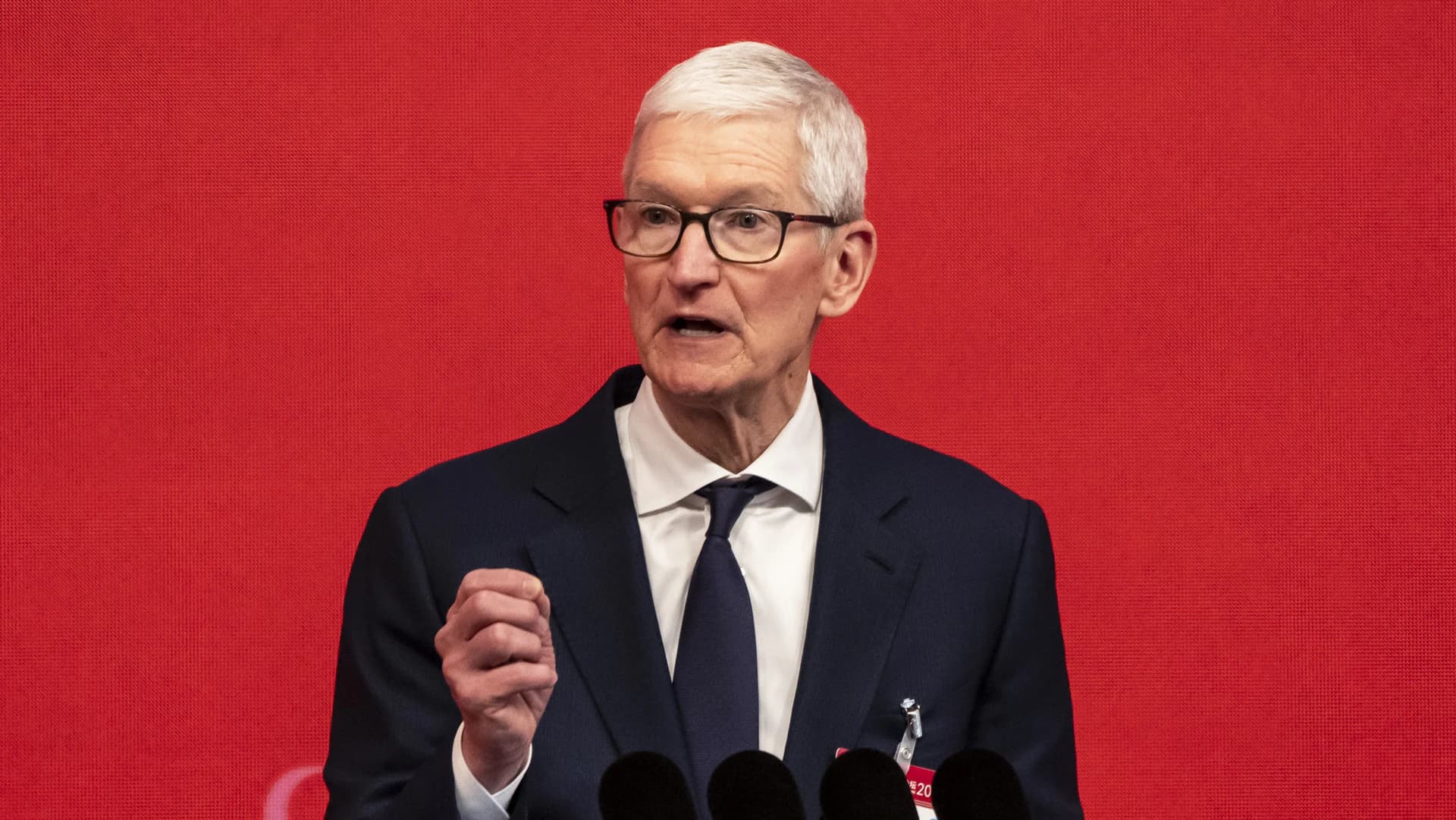
Photo via Inc.
According to Inc., Tim Cook's leadership legacy extends far beyond quarterly earnings reports—it demonstrates a principle that resonates across the Charlotte business community: the mark of exceptional leadership is building an organization that functions effectively without you. Cook has spent his tenure at Apple constructing systems, processes, and talent pipelines that ensure continuity, a lesson particularly relevant for Charlotte's mix of established corporations and ambitious growth-stage companies.
For local business leaders, Apple's model underscores the importance of institutional knowledge and succession planning. Rather than concentrating decision-making authority in a single executive, Apple has developed layers of capable leadership across product development, operations, and strategy. Charlotte-based companies—from manufacturing firms in the region to tech startups in the Queen City—would benefit from examining how to embed organizational resilience into their own structures.
The contrast between founder-dependent businesses and institutionalized enterprises is stark. Many startup founders and CEOs struggle with delegation, believing their personal involvement is irreplaceable. Yet Apple demonstrates that documentation, mentorship, and clear operational frameworks actually strengthen an organization by reducing risk and accelerating decision-making across the board.
For Charlotte's business leaders evaluating their own legacies, the takeaway is clear: true success isn't measured by indispensability, but by the strength of the organization you leave behind. Building that kind of resilient, well-documented, and talent-rich company requires intentional effort—but it's the difference between a business and an enduring institution.