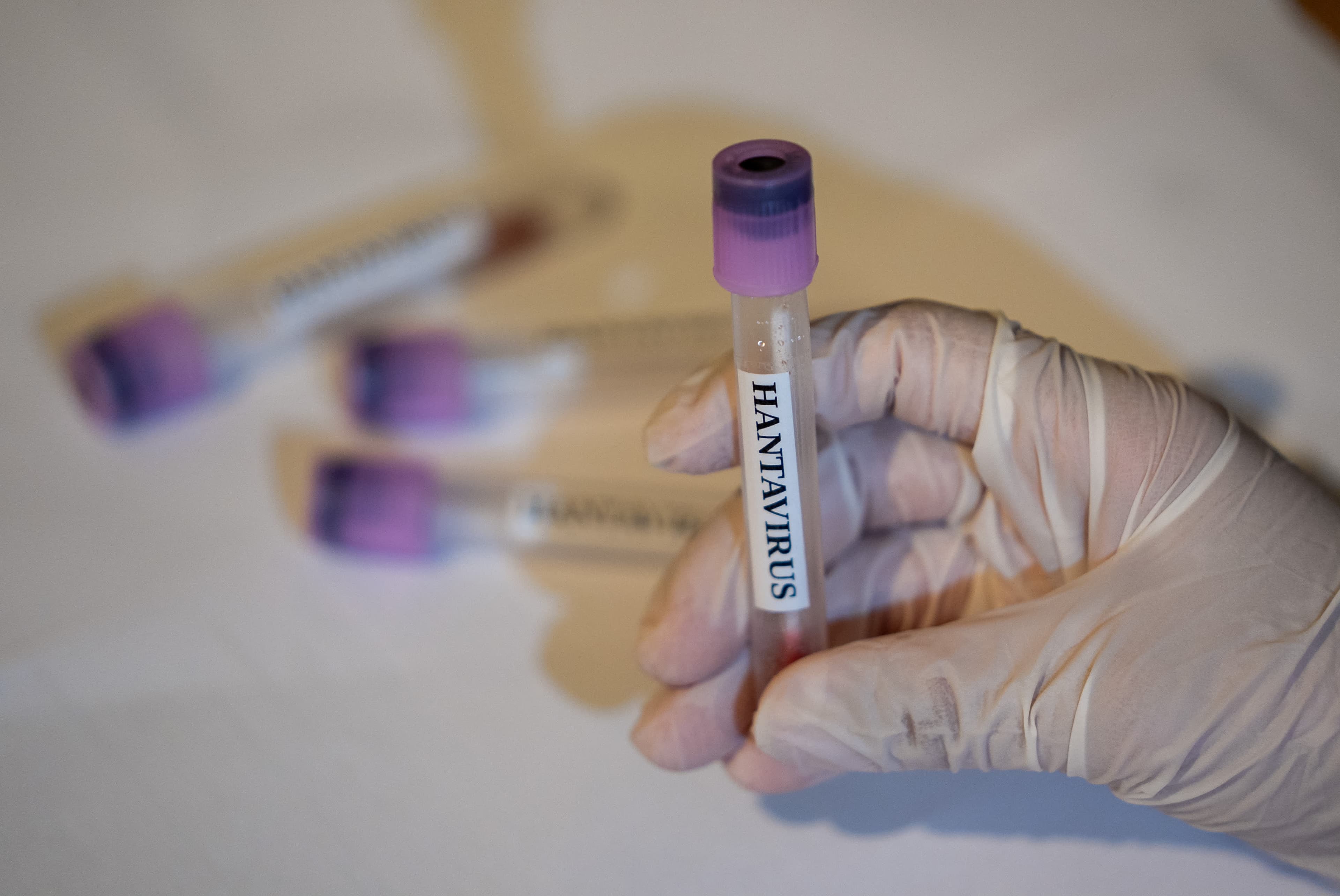
Photo via CNBC Business
The Centers for Disease Control and Prevention has confirmed there are currently no active hantavirus cases in the United States, though health officials are closely monitoring 41 individuals who may have been exposed to the virus. According to the CDC, this monitoring represents a standard precautionary protocol when potential exposure is identified, allowing public health officials to track symptoms and intervene quickly if needed.
Hantavirus is a rare but serious illness that can develop into hantavirus pulmonary syndrome, a severe respiratory condition. The virus is typically transmitted to humans through contact with infected rodent droppings, urine, or saliva. Despite periodic concerns about outbreaks, the CDC emphasizes that the virus remains uncommon in the general population, with transmission to humans being a relatively infrequent occurrence.
For North Carolina businesses, particularly those in agriculture, warehousing, and food storage sectors common throughout the Charlotte region, understanding hantavirus transmission remains part of standard workplace safety protocols. Facilities that may harbor rodent populations are encouraged to implement preventive measures including proper sanitation, rodent control, and employee training on safe handling procedures.
The CDC's reassurance that public risk remains low underscores the importance of routine public health monitoring and preparedness. Businesses and residents seeking additional information on hantavirus prevention can consult CDC guidelines and local health departments for workplace safety recommendations tailored to their specific operations.