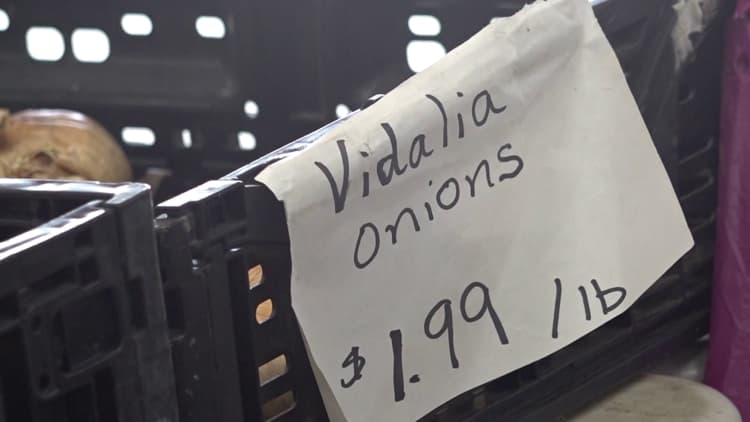
Photo via WCNC Charlotte
Farmers across the Charlotte region are confronting a mounting cost crisis as fertilizer prices continue climbing, according to WCNC Charlotte. Agricultural producers say they've implemented efficiency measures and absorbed costs where possible, but the sustainability of current pricing remains uncertain. The squeeze on input costs is creating difficult decisions for operations that depend on maintaining thin margins in a highly competitive market.
The implications extend beyond farm gates. Industry experts warn that persistent fertilizer cost pressures will eventually force producers to adjust pricing on crops and livestock products. For Charlotte-area consumers and regional retailers, this could translate to noticeable increases in produce, grains, and meat prices over the coming months. The timing is particularly challenging given broader inflationary pressures already affecting household budgets.
The situation reflects broader agricultural supply chain vulnerabilities affecting North Carolina and South Carolina farming communities. Local agricultural cooperatives and extension services are working to help farmers identify cost-management strategies, but structural solutions may require longer-term intervention at state and federal levels. How quickly these farm-level pressures reach consumer prices will depend on market conditions and farmer decisions in the coming quarters.