Photo via WCNC Charlotte
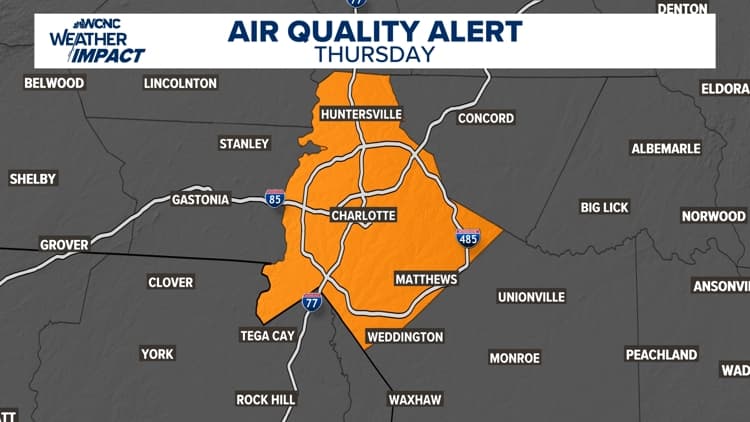
Mecklenburg County has been placed under a Code Orange Air Quality Alert, according to WCNC Charlotte, indicating elevated concentrations of ground-level ozone in the region. This alert level suggests that air quality has degraded to a point where sensitive populations—including children, older adults, and individuals with respiratory conditions—may experience health effects. For Charlotte-area businesses, particularly those with outdoor operations or large workforces, this development warrants attention to employee safety and workplace protocols.
A Code Orange designation sits between moderate (Yellow) and unhealthy (Red) on the Air Quality Index scale, typically triggered by conditions like wildfire smoke or stagnant air masses that trap pollutants. According to the source, wildfire smoke has contributed to Charlotte's current air quality challenges. Employers in logistics, construction, and outdoor retail should consider adjusting work schedules, increasing indoor operations, or implementing respiratory protection measures for staff working in affected areas.
Businesses should monitor local air quality updates and communicate guidance to employees, particularly those in vulnerable categories or with pre-existing health conditions. Human resources and facilities teams may need to adjust HVAC systems, provide air filtration resources, or allow flexible work arrangements. As air quality events become more frequent across the Southeast, Charlotte companies should develop contingency plans to protect workforce health while maintaining operational continuity.