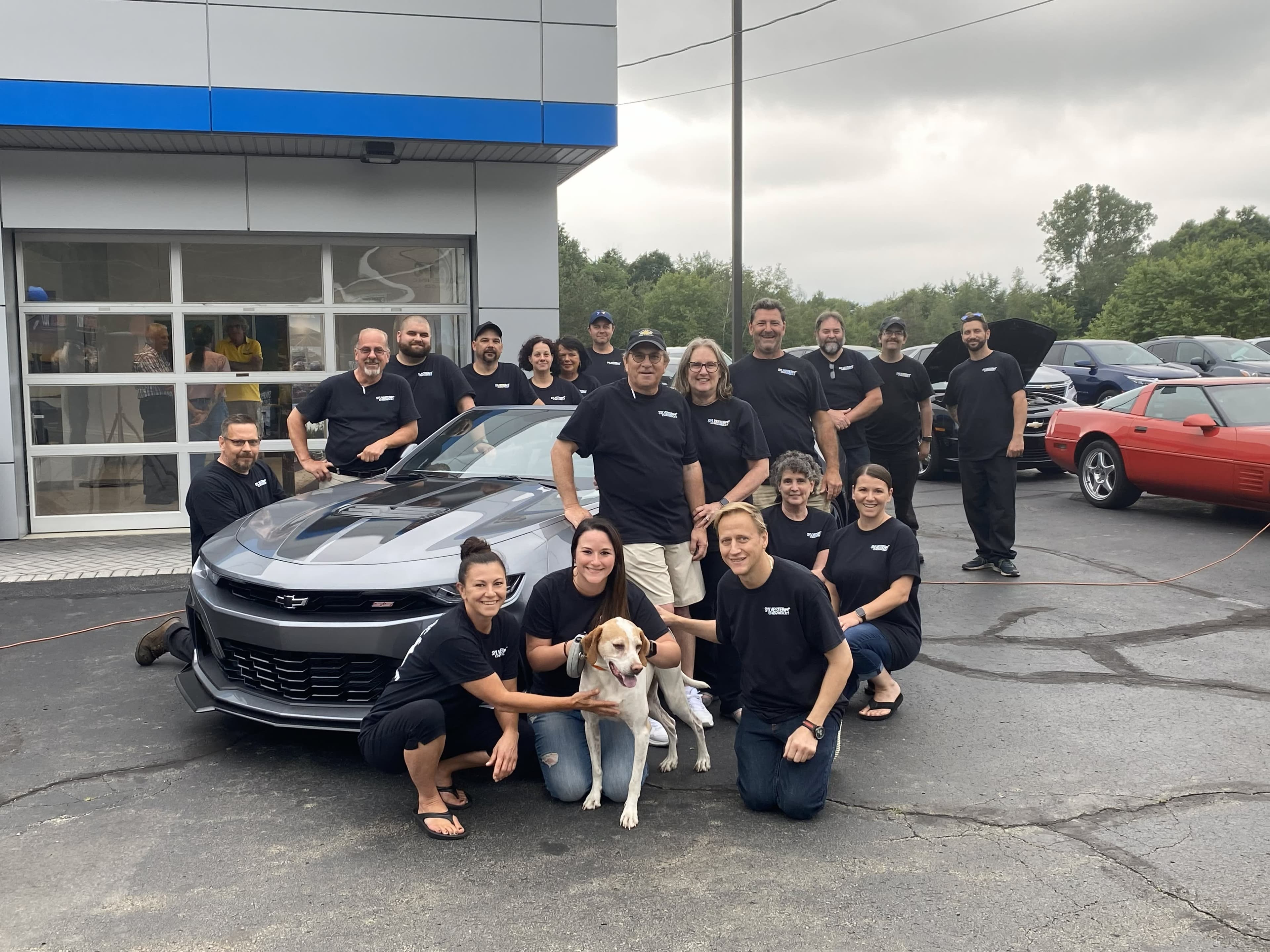
Photo via CNBC Business
The automotive retail landscape is undergoing a seismic shift, with multibillion-dollar dealership groups accumulating market share at an accelerating pace. According to CNBC Business, decades of consolidation have created a stark reality for independent operators: growth is no longer optional—it's a survival mechanism. This trend carries particular weight for Charlotte-area dealerships, where family-owned operations compete for customers against increasingly powerful regional and national chains.
The consolidation wave reflects fundamental changes in how consumers shop for vehicles and how dealerships operate at scale. Larger groups can absorb technology investments, negotiate better wholesale prices, and weather market volatility more effectively than standalone dealers. For Charlotte business owners in the automotive sector, this dynamic underscores the importance of strategic positioning—whether through expansion, specialization, or selective partnerships with larger networks.
Independent dealerships that thrive in this environment tend to differentiate themselves through personalized service, community relationships, and specialized inventory. Some Charlotte dealers have found success by targeting niche markets or focusing on specific vehicle segments where they can compete on expertise rather than scale alone. The challenge remains formidable: capital requirements for modernization and competitive pressures continue to mount.
Industry observers note this consolidation pattern mirrors broader retail trends across sectors. For Charlotte's business community, the automotive sector's transformation offers lessons applicable to other traditional retail models facing digital disruption and scale advantages. The coming years will likely determine which local dealerships evolve successfully and which become acquisition targets for larger operators seeking to expand their regional footprint.