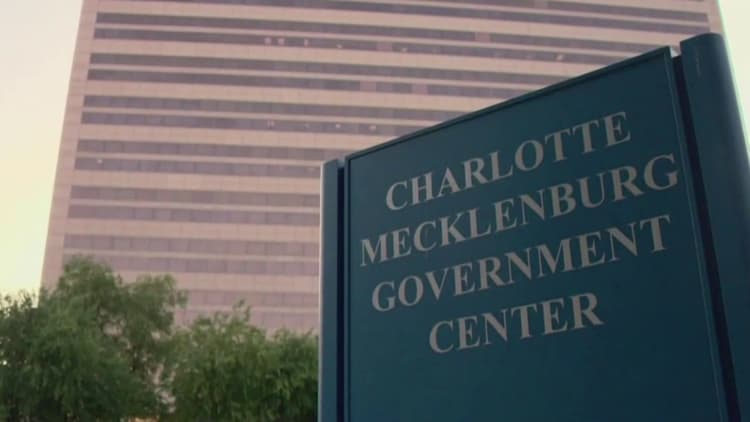
Photo via WCNC Charlotte
Charlotte City Council is preparing to debate a youth protection ordinance designed to address growing concerns about unsupervised teen gatherings at retail and entertainment venues across the city. According to WCNC Charlotte, the proposed measure comes in response to a pattern of "teen takeovers"—large congregations of young people that have created disruptions at shopping centers, restaurants, and other commercial properties.
The ordinance reflects a broader trend among Charlotte-area property owners and local governments seeking to regain control of public and semi-public spaces. Businesses and property managers have already begun implementing stricter access policies, increased security staffing, and enhanced monitoring systems to deter or manage large youth gatherings. These voluntary measures signal growing frustration with the current situation and suggest retailers and venue operators feel they need stronger institutional support.
For Charlotte's retail and hospitality sectors, the proposed ordinance could have significant operational implications. Business owners will be watching closely to see what restrictions or requirements the council enacts, as regulations could affect foot traffic, staffing costs, and overall customer experience at commercial properties. The debate also raises questions about balancing public safety and youth access to community spaces—a tension that will likely shape how the ordinance is ultimately crafted.