Photo via WCNC Charlotte
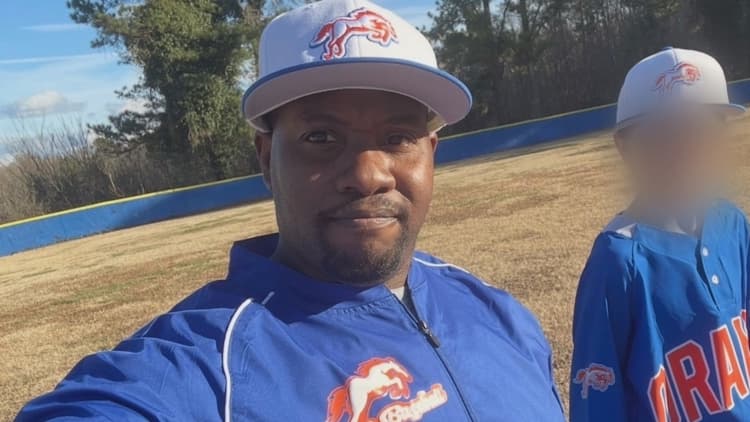
Kendrick Gonzalez has filed suit against the City of Charlotte following a wrongful conviction based on police misidentification that effectively ended his teaching career. According to reporting from WCNC Charlotte, Gonzalez alleges that negligent investigative practices by the Charlotte Police Department led to his arrest and conviction for a crime he did not commit, resulting in significant personal and professional consequences.
The case underscores broader concerns within Charlotte's criminal justice system regarding identification procedures and evidence handling. Wrongful convictions can have cascading effects not only on individuals but on their families and professional networks. In Gonzalez's case, the conviction permanently damaged his eligibility to work in North Carolina's education sector, an industry that already faces workforce challenges in the region.
Gonzalez's lawsuit represents part of a growing national conversation about police accountability and the implementation of more rigorous identification protocols. Charlotte, as a rapidly growing metropolitan area, faces increasing pressure to modernize its law enforcement practices and ensure public confidence in the criminal justice system. Cases like this often prompt municipalities to review training procedures, evidence collection standards, and officer protocols.
The suit comes as local government and business leaders increasingly recognize that public safety and institutional trustworthiness are foundational to community development and economic stability. A resolution to cases involving wrongful convictions can signal commitment to fair processes—an important consideration for businesses evaluating relocation or expansion decisions in the Charlotte region.