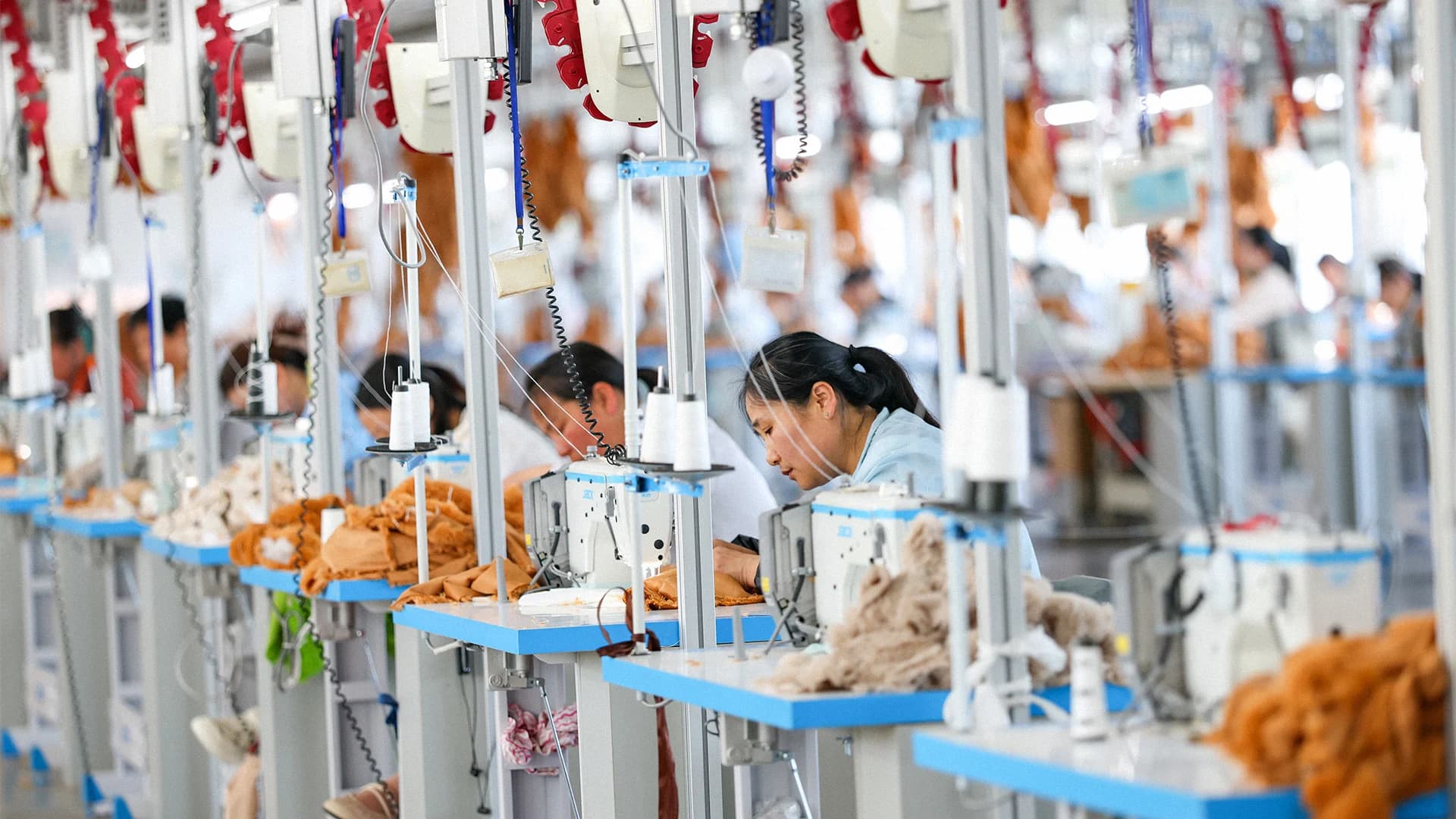
Photo via Inc.
U.S. companies seeking to relocate manufacturing operations out of China face an unexpected obstacle: new Beijing regulations designed to penalize businesses attempting to circumvent American tariffs through production relocation. According to Inc., these rules create significant legal and operational risks for firms pursuing what many executives view as a straightforward exit strategy from the world's second-largest economy.
The regulatory framework targets what Beijing perceives as tariff evasion schemes, where companies move production to third countries to avoid U.S. duties on Chinese-made goods. For Charlotte-area logistics firms, importers, and manufacturers with established supply chains in Asia, this development adds a new layer of complexity to already intricate reshoring decisions. Companies must now weigh not only the costs and timeline of relocation but also potential Chinese government investigations and penalties.
The implications extend across multiple regional industries. Charlotte's growing manufacturing and distribution sectors, which have increasingly diversified supply chains away from China over the past three years, must reassess their strategies. Even companies in mid-stages of relocation could find themselves subject to legal scrutiny under these new rules, potentially freezing assets or complicating final exit logistics.
Legal and supply chain experts advise Charlotte-based business leaders to consult counsel familiar with Chinese regulatory environments before accelerating any China exit plans. The new regulations underscore a broader geopolitical reality: reshoring and supply chain diversification, while strategically appealing, now demand careful navigation of both U.S. and Chinese regulatory frameworks.