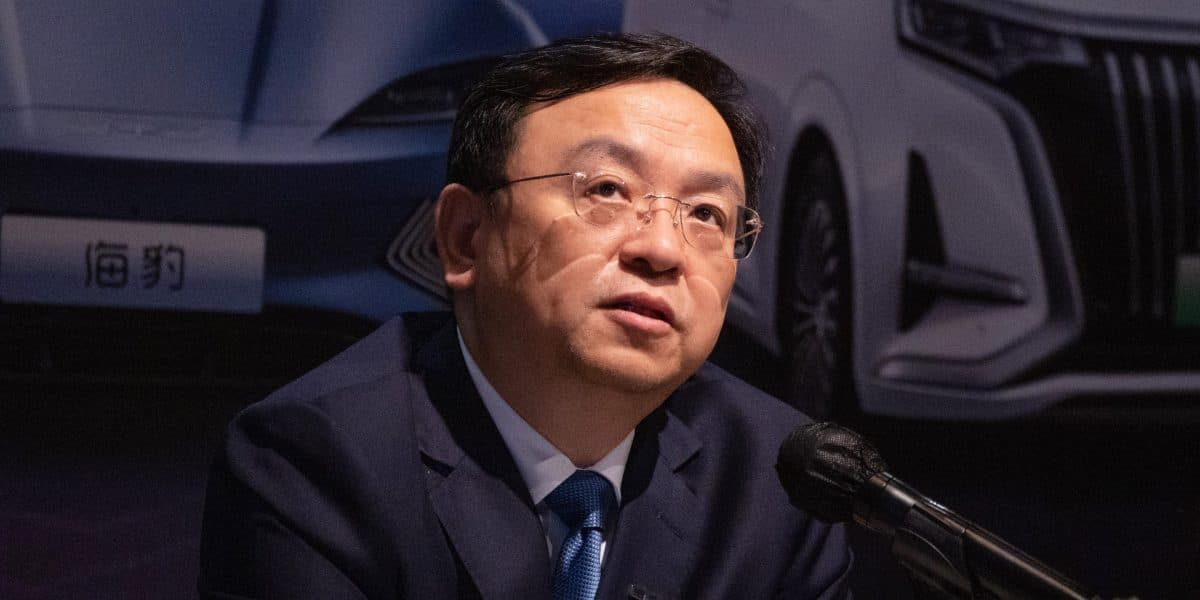
Photo via Fortune
The electric vehicle landscape is shifting dramatically as geopolitical tensions reshape global automotive supply chains. According to Fortune, Chinese EV manufacturers are capitalizing on disruptions stemming from Middle East conflicts, gaining competitive advantages that U.S. automakers—particularly Detroit's traditional players—have been slow to counter. This development underscores a critical moment for the North American automotive industry.
Detroit's cautious approach to EV transition has left a strategic opening for Chinese competitors who have moved aggressively into electrification. While American manufacturers have hedged their bets with hybrid strategies and gradual timelines, Chinese firms have committed fully to battery technology, supply chain control, and production scaling. Supply chain vulnerabilities exposed by recent conflicts are now working in their favor, as they've built more resilient sourcing networks.
For Charlotte-area automotive suppliers and logistics companies, these shifts carry significant implications. The region's transportation and manufacturing sectors depend heavily on Detroit's competitiveness and investment decisions. If Chinese automakers continue gaining market share, local suppliers may face pressure to adapt their business models or risk losing contracts with domestic manufacturers seeking to reclaim lost ground.
Industry observers warn that the window for U.S. automakers to respond is narrowing. Accelerated EV investment, supply chain diversification, and strategic partnerships will likely become essential for companies across the automotive ecosystem—from manufacturers to regional suppliers in the Carolinas—to remain competitive in an increasingly Chinese-dominated EV market.