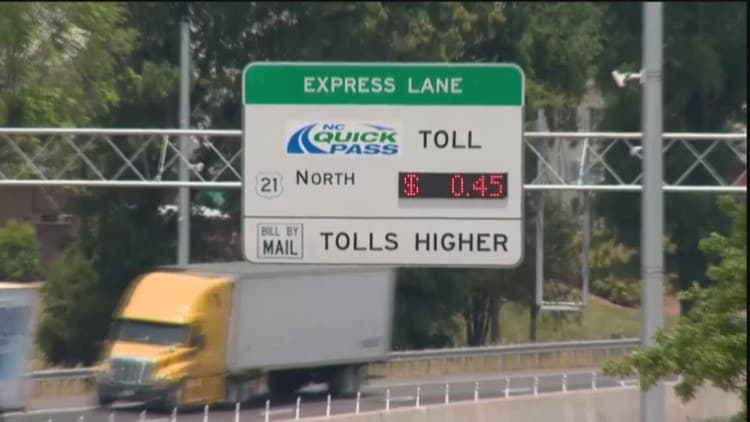
Photo via WCNC Charlotte
Cornelius city leadership is expressing skepticism about moving forward with an expanded toll lane project on I-77, citing concerns about rushing into infrastructure investments without sufficient data. According to WCNC Charlotte, Mayor Pro Tem Michael Osborne has voiced opposition to the plan, suggesting a more measured approach to regional transportation planning.
Osborne's position centers on demonstrating the viability of current express lane solutions already operating near Lake Norman before committing resources to additional toll infrastructure. This measured stance reflects broader concerns among Northern Charlotte suburbs about whether new toll projects will effectively address congestion or simply shift traffic patterns without meaningful relief.
The I-77 corridor remains a critical commute artery for the greater Charlotte region, connecting Lake Norman communities to downtown Charlotte and the broader metro area. Transportation investments in this corridor directly impact business operations, employee commute times, and regional economic competitiveness—making local municipal input essential to planning decisions.
As Charlotte continues to grapple with population growth and traffic management, neighboring municipalities like Cornelius are positioning themselves as stakeholders in regional infrastructure decisions. Their pushback underscores the need for comprehensive data analysis and multi-jurisdictional consensus before implementing large-scale toll projects that affect the entire region's mobility and economic vitality.