Photo via Inc.
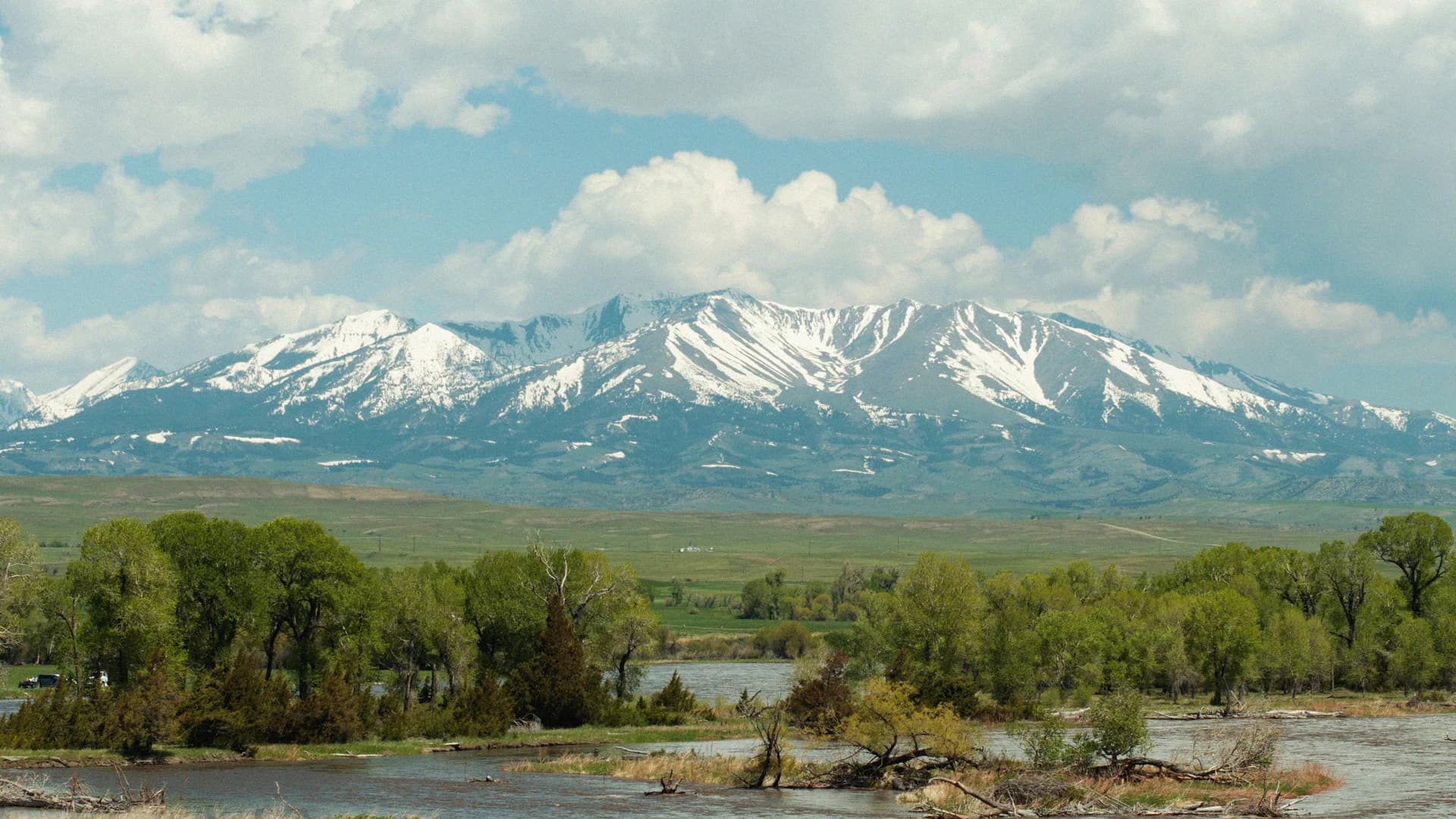
The Yellowstone Club, an ultra-exclusive resort development in Montana, has become the center of a high-stakes land dispute that offers valuable lessons for Charlotte-area real estate developers and policymakers. According to Inc., the resort orchestrated a complex transaction that transferred approximately 4,000 acres of public land into private ownership—a move that has generated substantial pushback from local residents and environmental advocates.
For Charlotte business leaders in development and hospitality, this case underscores the importance of community relations during large-scale real estate transactions. When major projects threaten to convert public assets into private holdings, stakeholder engagement and transparent communication become critical. Local governments and residents increasingly scrutinize development proposals, demanding accountability and clear public benefits before approving controversial land swaps.
The Yellowstone Club situation reflects broader tensions in real estate development across the country, where premium resort destinations seek to expand exclusive amenities and private access. In the Carolinas, where mountain and coastal resort development continues to accelerate, developers face similar challenges balancing private investment interests with community preservation and public land stewardship.
The controversy highlights the need for robust regulatory frameworks and due diligence processes when public lands are involved in private development deals. Charlotte-area real estate professionals should view this case as a cautionary tale, reinforcing the value of early stakeholder consultation, environmental impact assessments, and transparent governance structures that protect both private enterprise and public interests.