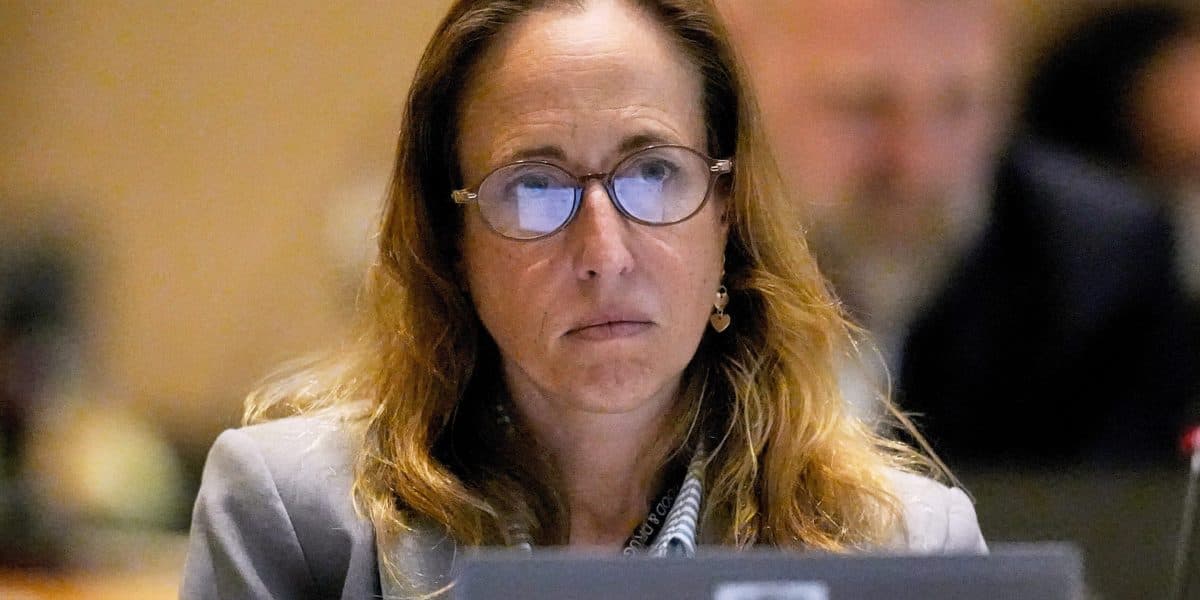
Photo via Fortune
Dr. Tracy Beth Hoeg, who held the position of acting director of the FDA's drug center, has confirmed her departure from the agency, according to Fortune. Her removal comes amid ongoing scrutiny of her alignment with RFK Jr., whose views on pharmaceutical regulation have sparked considerable debate within the healthcare industry. The leadership transition underscores ongoing tensions within federal health agencies regarding drug approval standards and safety protocols.
Dr. Mike Davis, who previously served as deputy director, will assume Hoeg's responsibilities overseeing the FDA's Center for Drug Evaluation and Research. This shift in leadership carries implications for how new medications move through the approval pipeline—a process that directly affects pharmaceutical companies, research institutions, and healthcare providers across the Charlotte region and beyond.
For North Carolina's growing biotech and pharmaceutical sector, FDA leadership changes can influence clinical trial timelines, drug approval speeds, and regulatory compliance requirements. The state hosts numerous life sciences companies and research facilities that depend on clear, consistent FDA guidance. Any shifts in regulatory philosophy could impact how quickly new treatments reach patients and how companies budget for compliance efforts.
The transition reflects broader questions about the future direction of pharmaceutical regulation at the federal level. As the FDA continues to navigate its leadership structure, Charlotte-area healthcare organizations and medical device companies should monitor policy developments closely to understand how changing regulatory approaches may affect their operations and strategic planning.