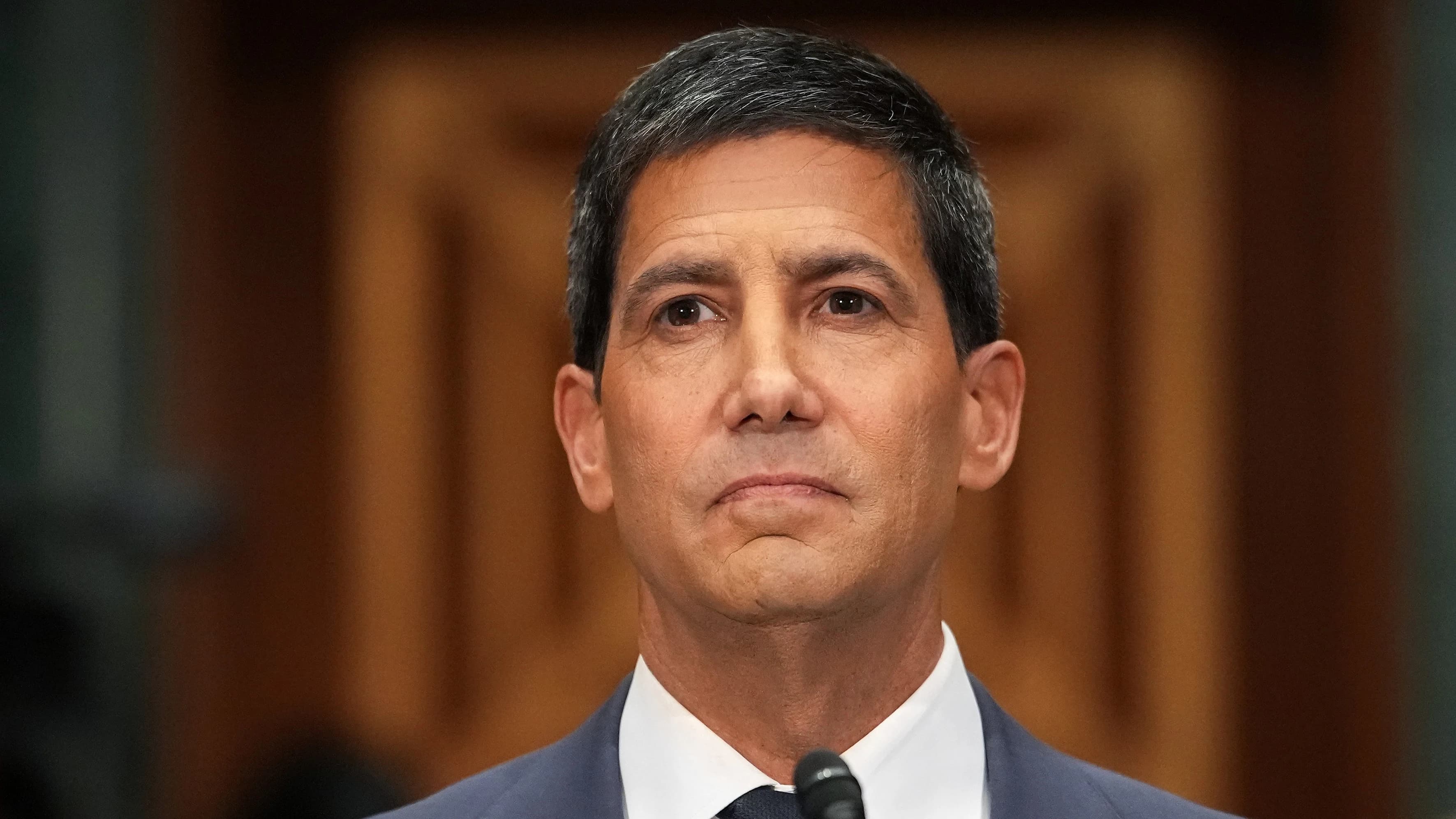
Photo via Inc.
Bond markets are signaling skepticism toward new Federal Reserve Chair Kevin Warsh's apparent inclination to lower interest rates in the near term. According to reporting on recent market movements, bond investors—often called 'bond vigilantes' for their willingness to punish policy decisions they view as misguided—are pricing in expectations that contradict the Fed chair's stated preferences, potentially limiting his room to maneuver.
For Charlotte-area businesses and financial institutions, this tension matters significantly. Regional banks, commercial real estate developers, and manufacturers all factor Fed policy into their planning. If bond markets force Warsh to maintain higher rates longer than he might prefer, it could extend the current borrowing environment that has already pressured some local sectors, particularly construction and development.
The dynamic reflects a broader constraint on Fed independence: while the chair sets policy, bond markets enforce discipline through yields and spreads. When investors doubt the Fed's direction, they respond through pricing, essentially creating an alternative check on monetary policy decisions. This forces policymakers to either convince markets of their approach or adjust course.
Charlotte business leaders watching these dynamics should monitor how this plays out in coming months. The resolution could determine whether borrowing costs stabilize, decline, or remain elevated—each scenario affecting everything from expansion plans to refinancing decisions across the region's diverse business landscape.