Photo via Fortune
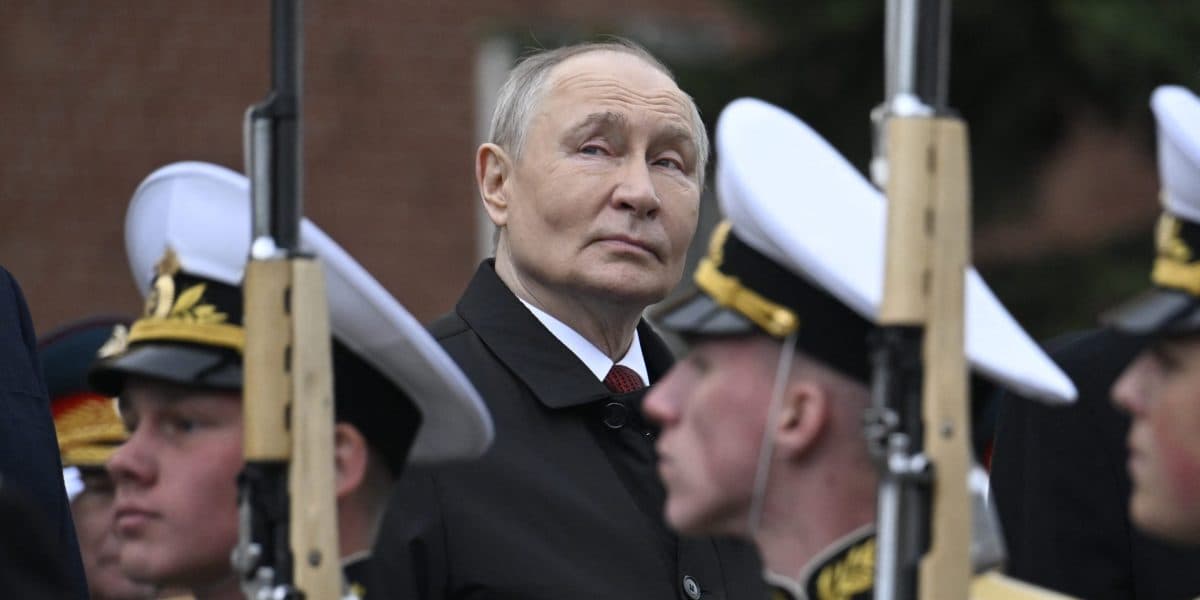
According to Fortune, recent statements from former Russian officials reveal deepening discontent within the country's leadership circles, with some openly questioning the sustainability of current political structures. This kind of institutional fracturing—when elites publicly distance themselves from established power—typically precedes significant geopolitical shifts. For Charlotte businesses with international exposure, particularly those in manufacturing, logistics, or energy sectors, such instability warrants closer attention to emerging market risks.
The pattern of asset seizures and capital flight described in the reporting underscores how quickly political uncertainty can disrupt business operations and investor confidence. When leadership cannot maintain consistent support from its own elite class, economic policy becomes unpredictable. Charlotte-based companies engaged in foreign trade or international partnerships should consider how Russian market volatility might ripple through broader European and global supply chains.
Geopolitical instability of this magnitude typically correlates with energy market fluctuations, currency volatility, and shifting trade dynamics. Regional firms in logistics, manufacturing, and finance should evaluate their exposure to markets that depend on Russian resources or serve as distribution hubs for European commerce. Scenario planning around alternative suppliers and routes becomes increasingly prudent.
The broader lesson for Charlotte's business community is the importance of maintaining geopolitical literacy in strategic planning. Companies with global footprints or supply chain dependencies should be monitoring political stability indicators alongside traditional financial metrics. Engaging with risk management professionals and diversifying geographic exposure remains a practical hedge against unpredictable international developments.