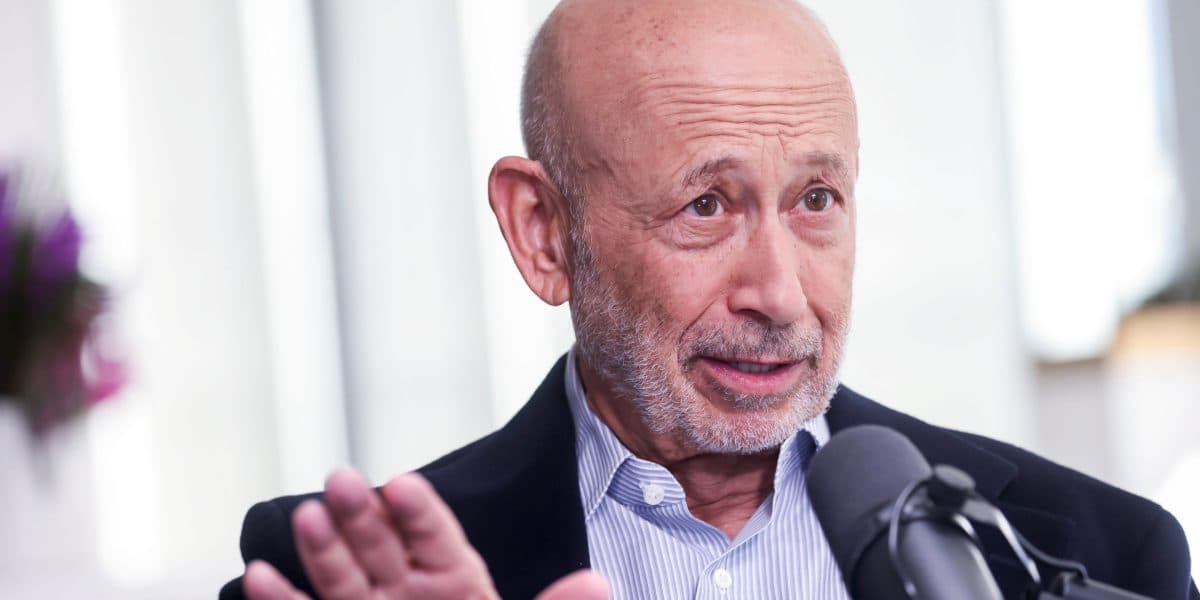
Photo via Fortune
According to Fortune, Lloyd Blankfein, the former chief executive of Goldman Sachs, has raised concerns about the deployment of autonomous AI agents in financial services—not because of sci-fi fears, but due to a more immediate operational risk. The issue centers on speed: AI systems can execute decisions and transactions far faster than humans can monitor and correct them, creating dangerous windows where mistakes compound before anyone notices.
This warning carries particular relevance for Charlotte's financial services sector, home to major banking operations and investment firms. As institutions across the region consider integrating AI agents into trading, risk management, and client advisory functions, Blankfein's caution suggests that technology adoption must be paired with equally sophisticated oversight infrastructure to prevent cascading errors.
The concern isn't theoretical. In fast-moving markets, an AI agent executing thousands of decisions per second could amplify a single algorithmic error across multiple positions before human traders can intervene. Financial firms in Charlotte and across the nation are grappling with how to maintain meaningful human oversight while capturing AI's efficiency gains—a balance that remains elusive.
For Charlotte-based financial services leaders, Blankfein's perspective underscores a critical lesson: adopting cutting-edge AI requires rethinking operational controls and governance frameworks. Rather than viewing AI deployment as a straightforward efficiency play, firms must invest equally in detection and intervention systems that allow humans to catch and contain mistakes before they threaten institutional stability.