Photo via Fortune
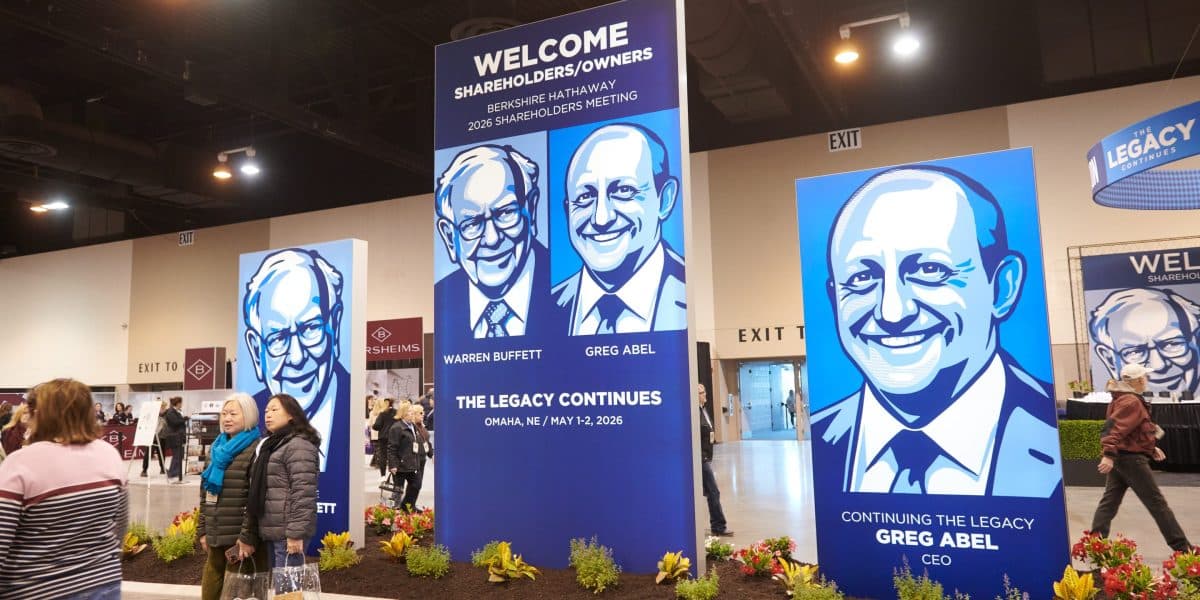
Warren Buffett's stepping back from the CEO role at Berkshire Hathaway represents more than a routine succession—it signals a fundamental shift in how one of the world's largest investment firms will operate going forward. According to Fortune, investors who initially questioned Greg Abel's readiness for the top job are reconsidering their skepticism. Abel's appointment reflects Berkshire's recognition that the company needs leadership adapted to contemporary business challenges rather than relying solely on the investment philosophy that built the empire.
For Charlotte-area investors and business leaders who track major institutional capital movements, Berkshire's leadership transition carries particular weight. The conglomerate's portfolio decisions influence market sentiment across sectors critical to the region, from financial services to manufacturing and logistics. Abel's approach to capital allocation and operational oversight could reshape Berkshire's investment priorities, potentially affecting which industries and companies the firm targets in its next growth phase.
Abel brings operational expertise and a modernized perspective on technology integration and energy transition—areas where Buffett's traditional value-investing approach has faced scrutiny. According to the source analysis, his leadership style emphasizes systematic management practices suited to Berkshire's sprawling collection of subsidiaries. This represents a departure from Buffett's personalized, relationship-driven investment strategy that defined the company for decades.
For Charlotte's business community, monitoring Berkshire's strategic pivots under Abel's leadership could reveal emerging investment trends and sector preferences. Whether Berkshire increases exposure to renewable energy, technology, or other growth sectors may signal broader market direction that regional companies and investors should track. The succession underscores how even the largest institutional investors must evolve their leadership and strategy to remain competitive.