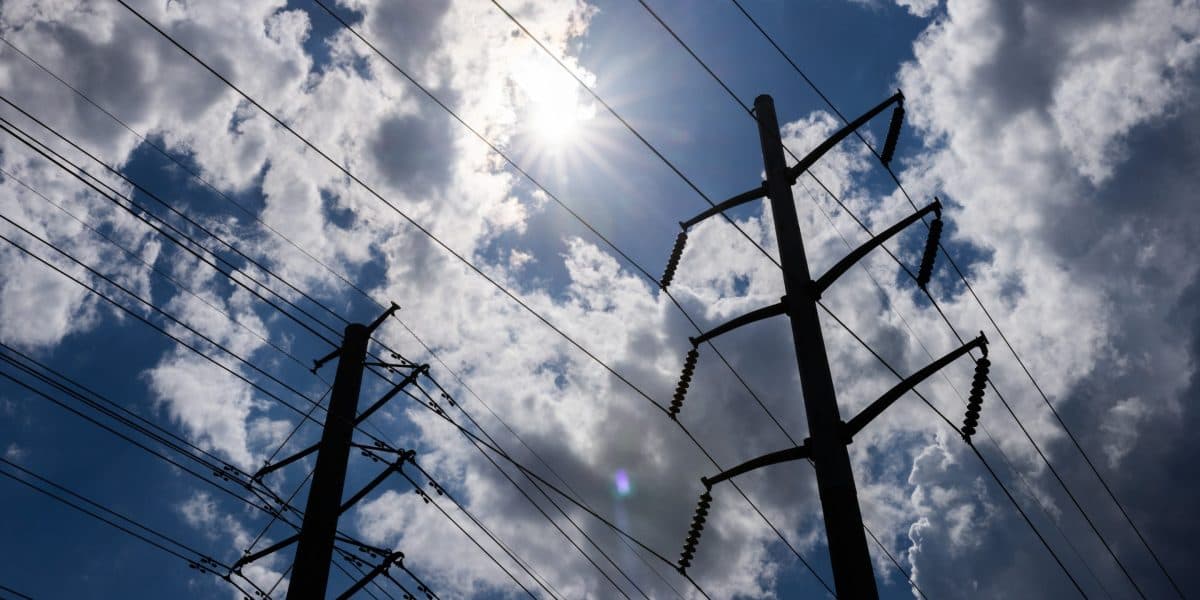
Photo via Fortune
Unlike most developed nations with centralized power infrastructure, the United States operates its electrical system as three largely independent grids: the Eastern Interconnection, Western Interconnection, and Texas Interconnection. According to Fortune, this fragmented approach fundamentally limits how efficiently power can be shared across state lines during emergencies or peak demand periods, creating blind spots in regional reliability that could have serious consequences for Charlotte and the Carolinas.
The Eastern Interconnection, which serves the Carolinas and most of the eastern seaboard, operates with limited ability to draw emergency power from neighboring regions during summer or winter peak seasons. This structural constraint means that when demand spikes—whether from scorching Charlotte summers or rare winter freezes—utilities have fewer options to balance supply and prevent rolling blackouts. Local businesses dependent on continuous power, from data centers to manufacturing operations, face increased vulnerability to grid instability.
Charlotte's growing tech sector and expanding commercial real estate base have made power reliability increasingly critical to economic development. As the region attracts data centers and corporate headquarters, utility infrastructure planning has become a key competitive advantage. The fragmented nature of America's grid means Duke Energy and other regional providers must plan for worst-case scenarios independently, potentially driving up costs and limiting growth opportunities for power-hungry industries.
Policymakers and utility companies are beginning to recognize that modernizing grid interconnections and improving cross-regional power transfer capacity requires investment and coordination. For Charlotte-area business leaders, understanding these structural limitations of the national grid underscores the importance of advocating for infrastructure improvements and considering backup power solutions as part of long-term operational planning.