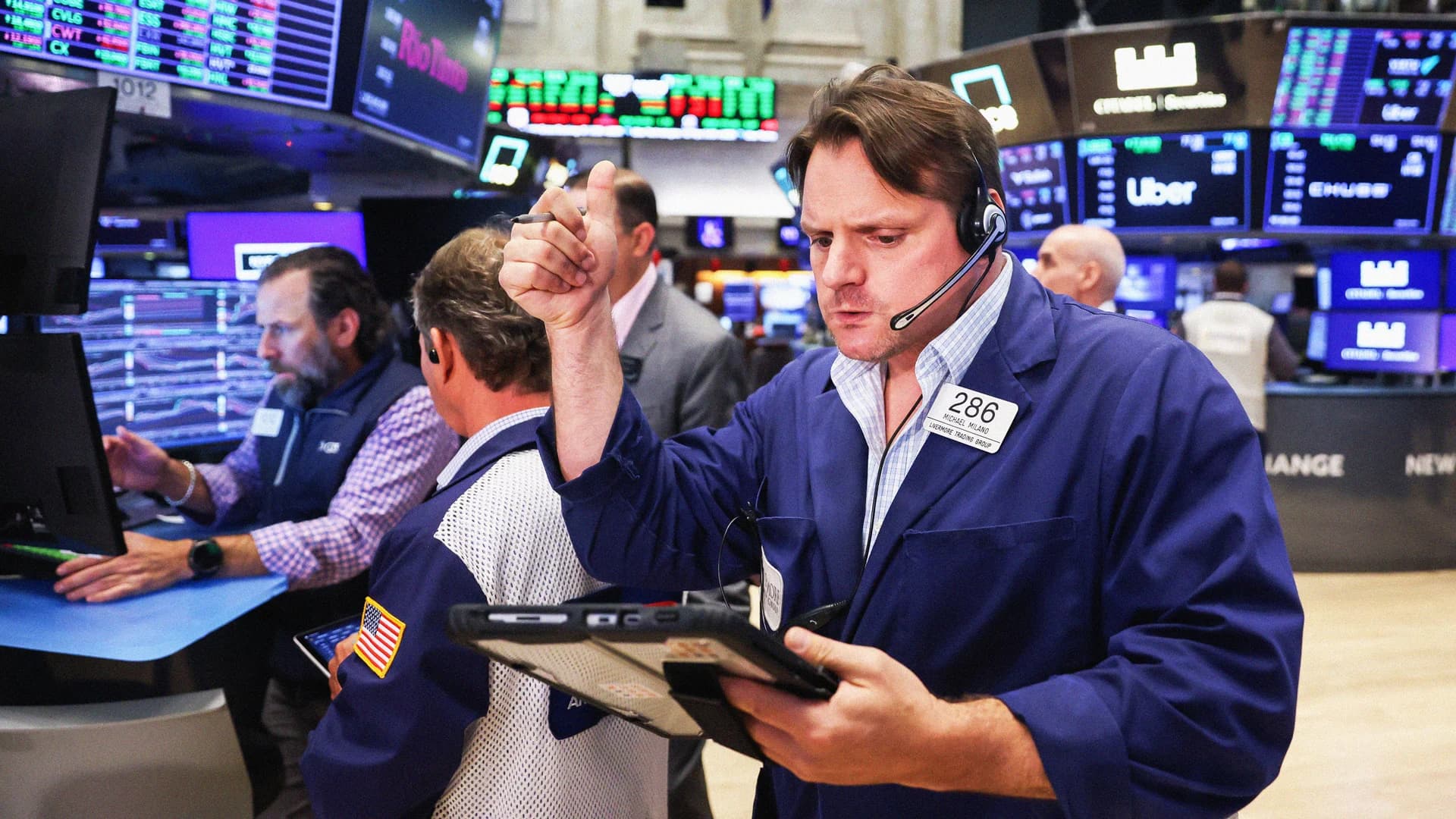
Photo via Inc.
The relationship between inflation reports and market performance has fundamentally changed. According to recent analysis, traditional economic indicators that once dominated investment decisions are now taking a backseat to technology sector momentum and AI-driven market dynamics. For Charlotte-area portfolio managers and business leaders, this shift requires rethinking how economic data informs strategic planning.
Inflation climbing to its highest level in three years would historically trigger market volatility and defensive positioning. However, contemporary markets are demonstrating resilience despite these inflationary pressures. The disconnect suggests investors are increasingly focused on technological disruption and productivity gains rather than conventional macroeconomic signals, particularly as artificial intelligence promises to reshape business operations across sectors.
This new market paradigm carries implications for Charlotte's diverse business landscape, from financial services firms managing client portfolios to manufacturing and logistics companies planning capital investments. Business leaders must now monitor both traditional economic indicators and technology adoption trends when making long-term decisions. The dual focus helps explain why some sectors surge while others lag, regardless of headline inflation numbers.
Understanding this evolved market behavior is essential for Charlotte executives navigating investment decisions, hiring strategies, and competitive positioning. Rather than reacting solely to inflation data, savvy business leaders should assess how AI implementation and digital transformation might create competitive advantages in their industries. The message is clear: in today's market, technological leadership often trumps economic headwinds.