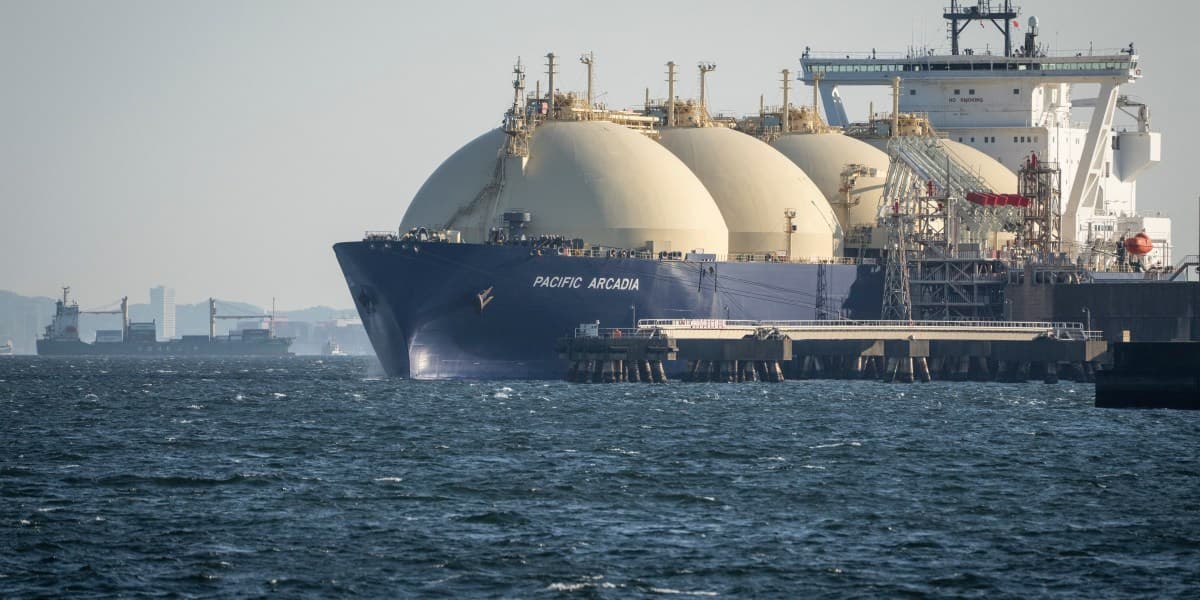
Photo via Fortune
A brewing energy crisis centered on Iran threatens to disrupt global oil supplies and potentially reignite inflation concerns across Asia and beyond. According to Fortune, market participants appear largely unmoved by the escalating situation, despite historical precedent showing how Middle Eastern conflicts can severely impact energy prices and corporate profitability worldwide.
The disconnect between geopolitical risk and market response stems largely from what analysts call investor complacency. Chen Chien-Ming, an associate professor at National Taiwan University, attributes this hesitancy to 'wishful thinking that the war will soon end,' suggesting traders may be underestimating the likelihood of sustained supply disruptions.
For Charlotte-area businesses, particularly those in energy-dependent sectors like logistics, manufacturing, and retail, an energy shock would translate directly to operational costs and margin pressure. Companies relying on consistent fuel prices for transportation and production should begin stress-testing their supply chains and pricing strategies now, rather than waiting for markets to catch up to the geopolitical reality.
The mismatch between risk and market pricing historically creates opportunities for forward-thinking business leaders. Those who prepare contingency plans, lock in favorable energy contracts, or diversify supply chains ahead of potential shocks may gain competitive advantage when volatility finally strikes and less-prepared competitors scramble to adapt.