Photo via FreightWaves
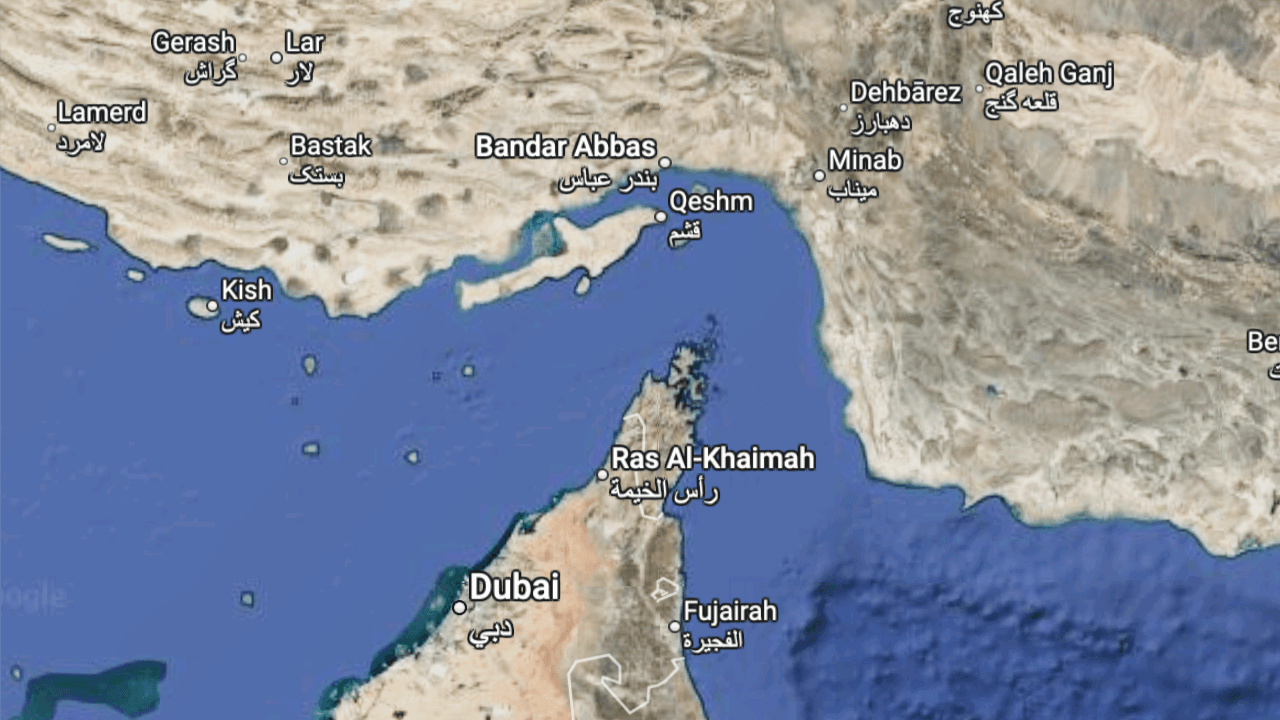
Escalating tensions centered on Iran have sparked a dramatic increase in ocean freight costs between Asia and the United States, with container rates climbing 276% according to industry analysis. The surge reflects shipping industry concerns over potential disruptions to critical trade routes and heightened operational risks in the region, pushing carriers to adjust pricing accordingly.
Recent market data indicates that trans-Pacific shipping rates may be stabilizing after weeks of volatile increases. According to FreightWaves, prices moderated in the most recent reporting week, signaling a potential turning point for shippers grappling with elevated logistics expenses. Industry analysts suggest that the moderating trend could begin to ease pressure on supply chains that have absorbed substantial cost increases tied to geopolitical uncertainty.
For shippers already contending with stretched margins and capacity constraints, the initial signs of rate relief may provide some respite, though the outlook remains contingent on further developments in regional stability. Companies relying on transpacific trade continue to monitor shipping indices closely as they navigate both immediate cost pressures and longer-term supply chain resilience challenges.