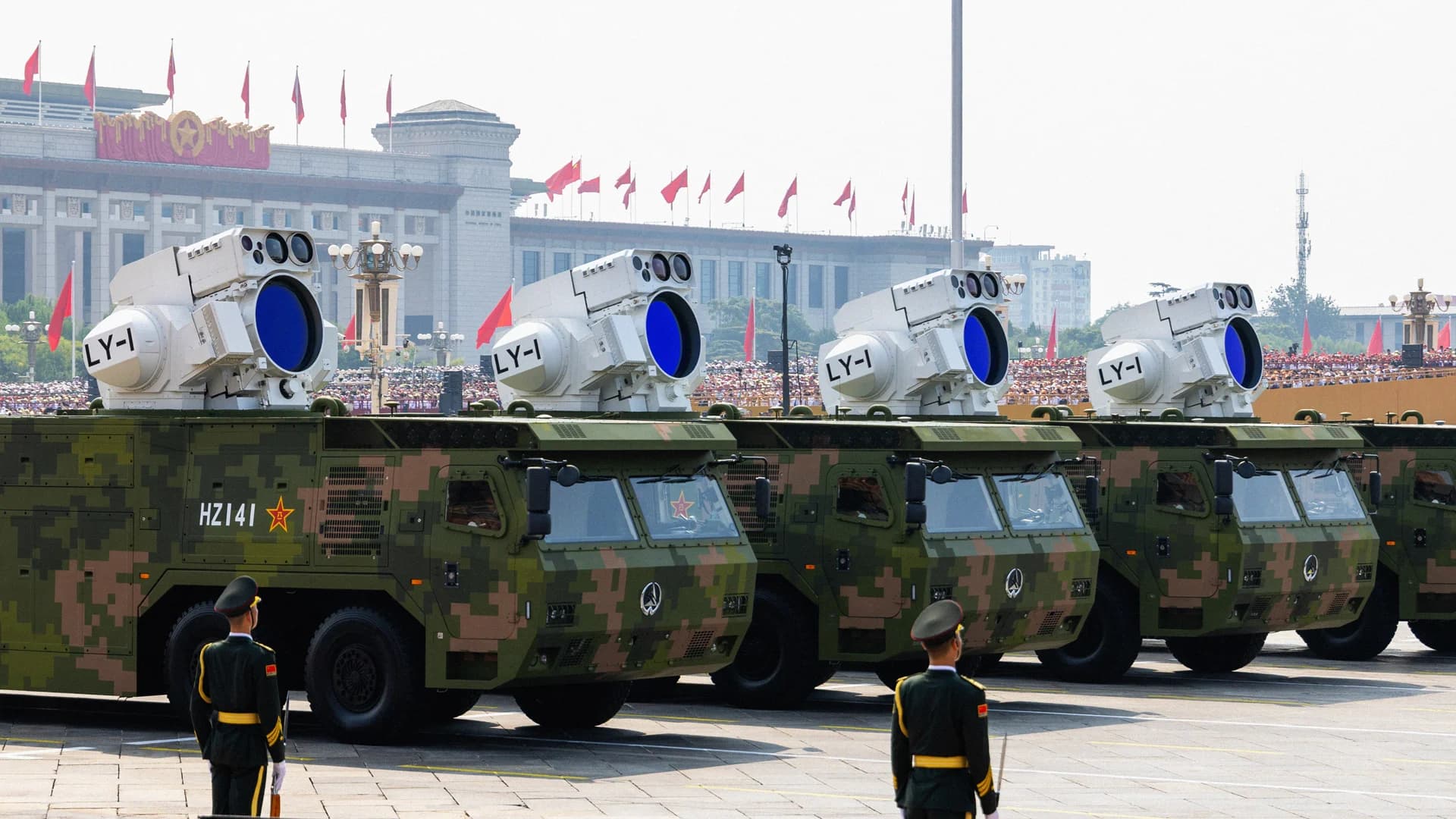
Photo via Inc.
The development of laser-based weapons systems has accelerated internationally, with multiple nations investing heavily in directed-energy technology. According to Inc., this competitive landscape represents a significant shift in military innovation, drawing participation from established defense contractors and emerging technology firms. For Charlotte-area companies with ties to aerospace and defense manufacturing, these advances signal potential opportunities in specialized components and systems integration.
Despite technological progress, a fundamental challenge continues to impede widespread deployment: power efficiency and operational reliability in real-world conditions. Military applications require systems capable of sustained performance across varying environmental factors, a threshold that current technology has struggled to consistently achieve. This technical gap creates both a timeline extension for deployment and an extended window for innovation from suppliers and manufacturers.
The implications extend beyond military applications into civilian sectors including telecommunications, manufacturing, and materials processing. Companies in the Carolinas with expertise in optical engineering, power systems, or advanced materials are positioned to contribute solutions to these technical obstacles. As the market matures, regional firms may find growing demand for specialized expertise that addresses the core limitations holding back broader adoption.
Industry observers suggest that breakthrough solutions in power management and environmental resilience could unlock significant commercial opportunities. The competitive nature of the global race means that nations and private companies investing in foundational research may gain substantial advantages. Charlotte-based technology and manufacturing firms monitoring this sector should consider how emerging solutions might create adjacent market opportunities in their existing service areas.