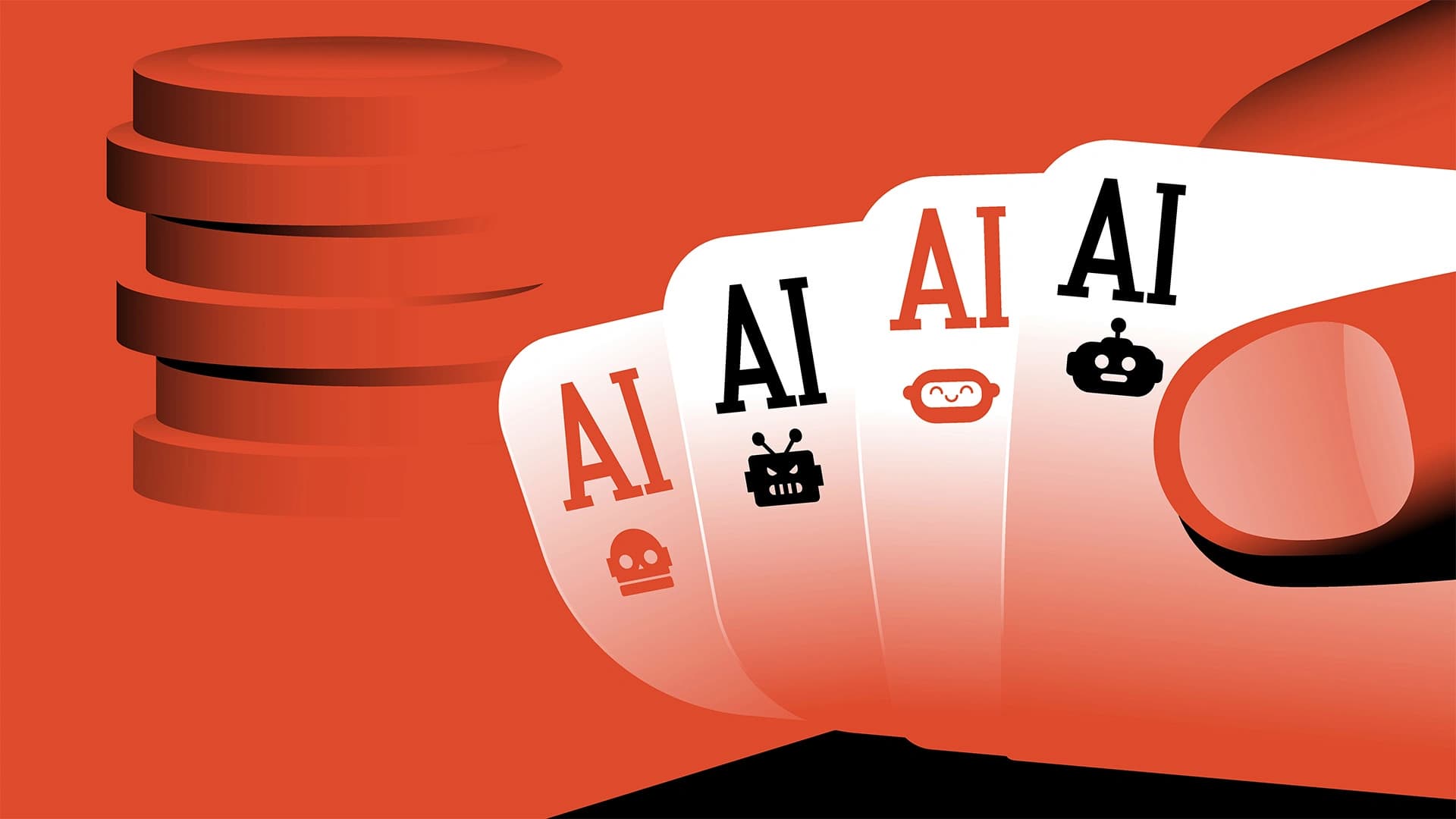
Photo via Inc.
The rise of artificial intelligence isn't a question of if it will impact your business, but when and how severely. Rather than viewing AI as an existential threat, forward-thinking Charlotte executives are reframing the challenge: What can we do that machines cannot? According to Inc., the most resilient companies aren't fighting automation—they're strategically positioning themselves to be harder to replace by focusing on uniquely human strengths.
For many Queen City industries—from banking and finance to healthcare and manufacturing—the key lies in identifying which processes should be automated and which require human judgment, creativity, or relationship management. Companies that successfully integrate AI as a tool rather than a replacement tend to see improved efficiency and employee satisfaction. Local business leaders should conduct honest audits of their operations to determine where AI adds value versus where human expertise remains irreplaceable.
The adaptation strategy also demands investment in workforce development. Charlotte organizations that train employees to work effectively alongside AI tools—rather than against them—create competitive advantages that transcend technological capability alone. This human-plus-machine approach requires thoughtful change management and clear communication about how roles will evolve, not disappear.
Business leaders across the Charlotte region should begin by defining their competitive moat in the AI era: What customer problems can your team solve that an algorithm cannot? Whether it's complex problem-solving, emotional intelligence, or industry relationships, doubling down on these distinctly human capabilities is how businesses become resilient in an increasingly automated world.