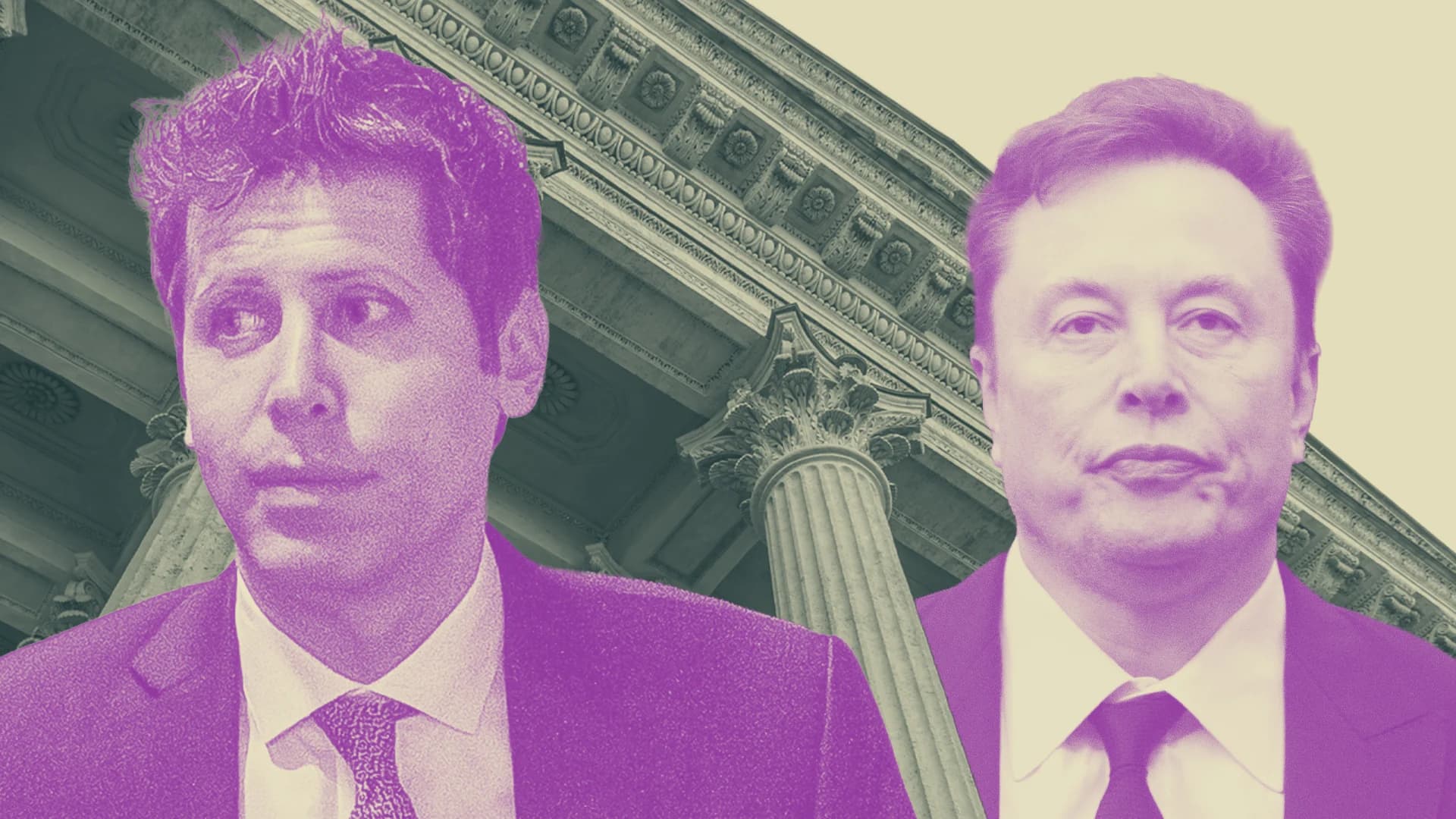
Photo via Inc.
The high-profile dispute between Elon Musk and Sam Altman over OpenAI's direction has become a cautionary tale for founders everywhere—including those building companies across the Charlotte region. According to Inc., the trial revealed two seemingly opposing but equally important principles that every entrepreneur should understand before conflicts arise with co-founders or investors.
The first lesson centers on the absolute necessity of comprehensive documentation. When disputes emerge, written records—including emails, meeting notes, equity agreements, and board minutes—become the foundation of any legal defense. For Charlotte startups navigating early-stage funding or multi-founder dynamics, meticulous record-keeping can mean the difference between a clear resolution and years of costly litigation. The Musk-Altman case demonstrates how vague or missing documentation creates ambiguity that courts must interpret, often unfavorably.
However, the trial also exposed a critical counterpoint: documentation can become a liability if it contradicts your stated intentions or reveals problematic conversations. This suggests founders must balance transparency with strategic communication. Charlotte entrepreneurs should focus on creating clear, professional documentation that reflects legitimate business decisions while avoiding creating a paper trail that could be weaponized by opposing parties.
The practical takeaway for local business leaders is straightforward: establish clear founding agreements and governance structures from day one, maintain consistent and professional documentation practices, and consult with qualified legal counsel before significant decisions. These foundational steps help Charlotte's startup ecosystem avoid the expensive disputes that can derail promising companies and damage founder reputations in a competitive market.