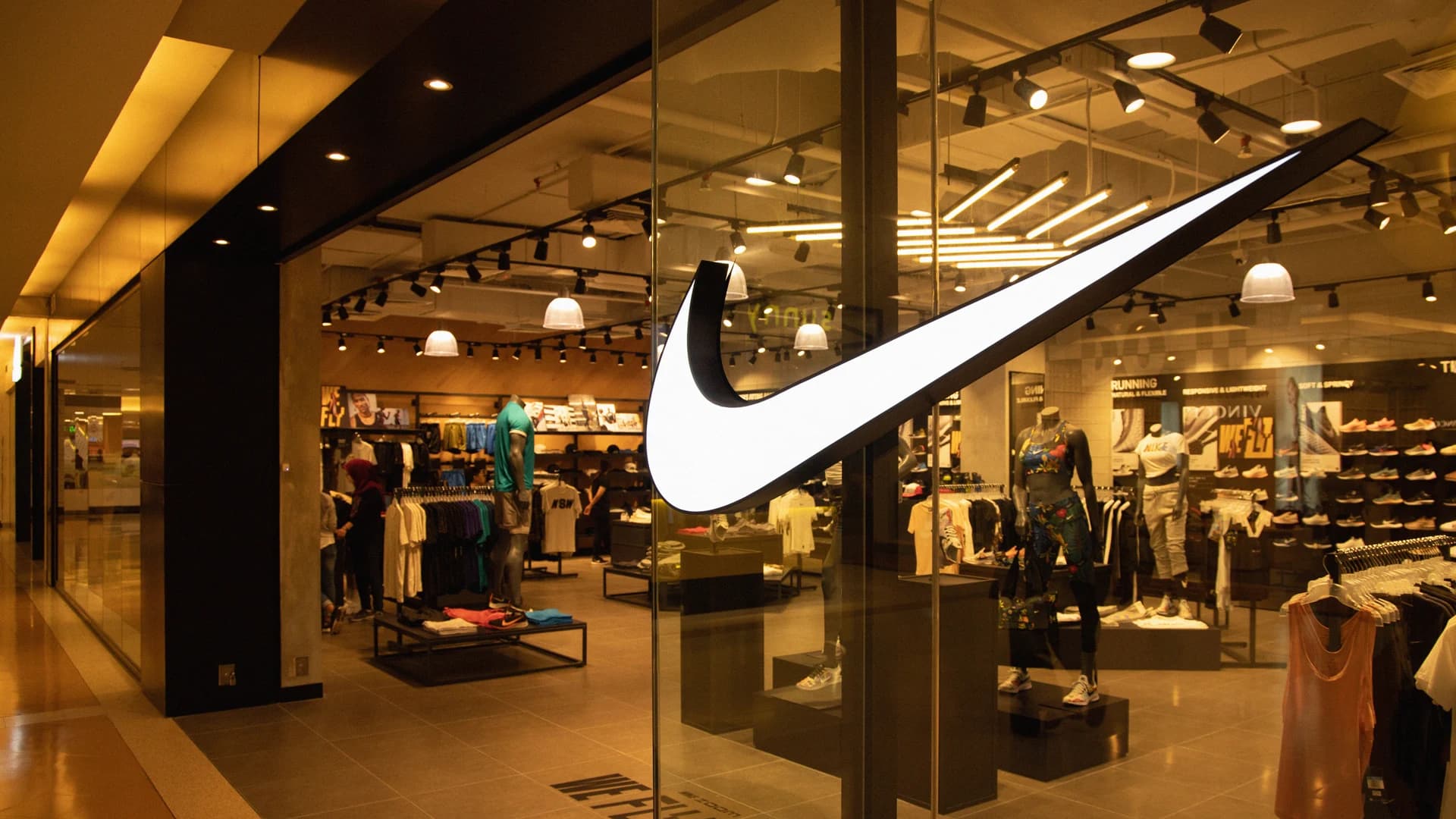
Photo via Inc.
Athletic footwear and apparel manufacturer Nike has seen its stock price decline to levels not witnessed since 2015, according to Inc. The steep downturn reflects significant headwinds facing one of the world's most recognizable brands and underscores volatility in the retail market that Charlotte-based retailers are watching closely.
The decline comes as Nike navigates shifting consumer preferences, inventory challenges, and increased competition in the athletic wear space. For local retail merchants and sporting goods distributors in the Charlotte region, Nike's struggles signal broader market pressures that could impact wholesale partnerships, consumer spending patterns, and overall sector performance through 2024.
Industry observers are questioning whether Nike possesses the strategic tools and timeline necessary to reverse its downward trajectory. The company's recovery hinges on several factors including product innovation, supply chain optimization, and successfully adapting to changing retail dynamics—challenges that resonate with Charlotte-area retailers managing similar pressures.
For Charlotte business leaders, Nike's situation underscores the importance of agility in retail. Whether through e-commerce expansion, direct-to-consumer channels, or diversified product offerings, companies in the region are learning that even established giants must continuously adapt to maintain market position and shareholder confidence.