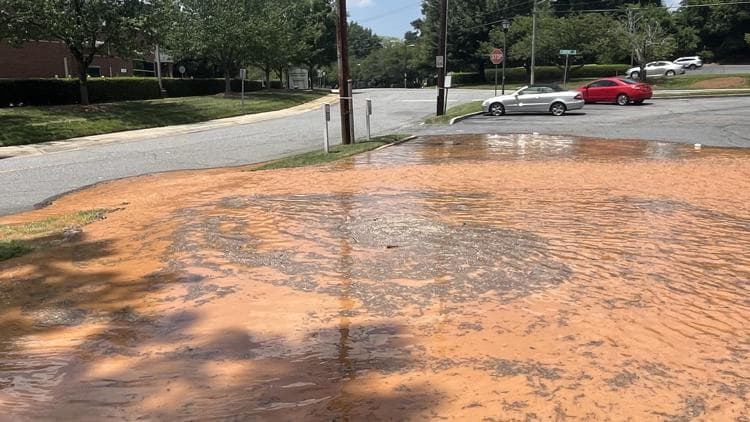
Photo via WCNC Charlotte
North Carolina is taking a more systematic approach to flood management with the development of the Flood Resiliency Blueprint, a comprehensive planning initiative led by the Department of Environmental Quality. The blueprint represents a statewide effort to assess vulnerabilities and coordinate responses to flooding risks that have historically impacted communities across the state. For Charlotte-area businesses and developers, this initiative could influence zoning decisions, insurance assessments, and long-term property valuations.
The blueprint's framework is designed to help local governments and private stakeholders identify flood-prone areas, understand risk levels, and implement preventative measures before disasters strike. According to the North Carolina Department of Environmental Quality, the tool integrates data and best practices to create actionable guidance for communities at various flood risk levels. Charlotte's position in Mecklenburg County—which has experienced significant flooding events in recent years—makes this resource particularly relevant for regional planners and commercial real estate professionals.
Businesses operating in Charlotte should monitor how the blueprint's recommendations translate into local policy changes. The initiative may affect building codes, permit requirements, and infrastructure investments in vulnerable areas. Commercial and residential developers, in particular, will need to stay informed about evolving flood mitigation standards that could impact project timelines and construction costs.
As extreme weather patterns continue to pose challenges across the Southeast, flood resiliency planning is becoming a competitive advantage for forward-thinking organizations. Companies and municipalities that proactively address flood risks through the blueprint's recommendations may reduce insurance costs, attract investment, and build community trust. Local business leaders are encouraged to engage with county planning departments to understand how the state's new tool will shape development priorities in the Charlotte region.