Photo via TechCrunch
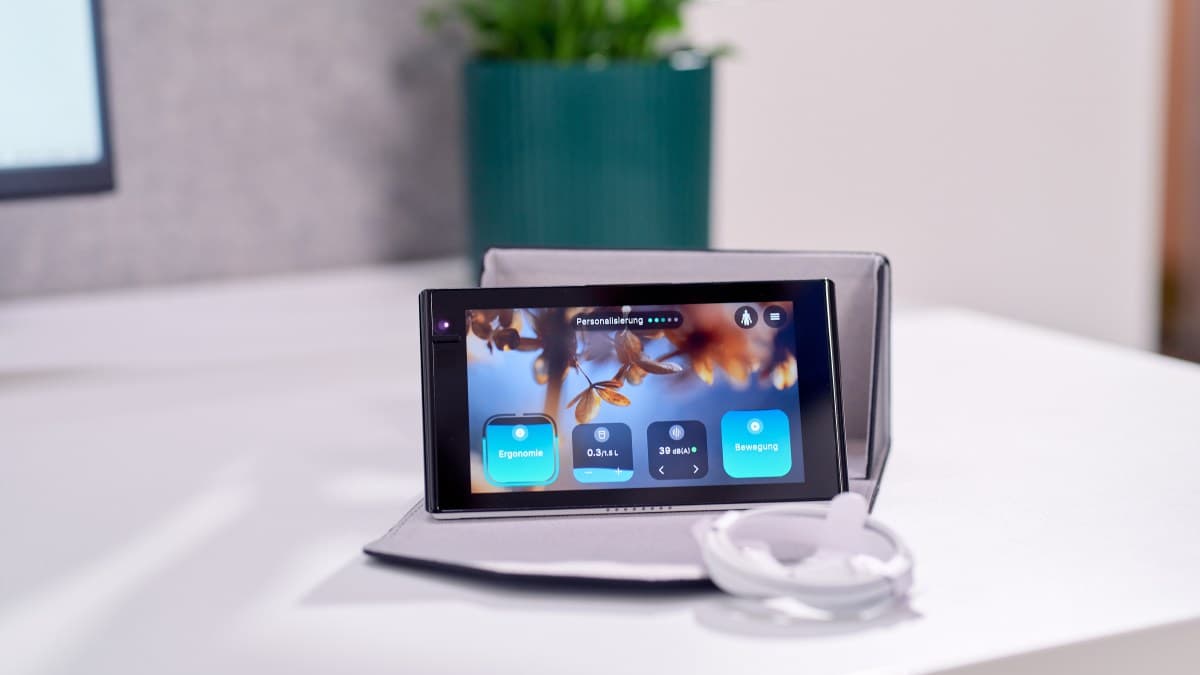
Charlotte-area companies increasingly face pressure to invest in employee wellness programs, particularly as remote and hybrid work arrangements blur the lines between home and office environments. According to TechCrunch, Deep Care has introduced an offline posture monitoring device priced at $350 that addresses a growing concern among desk-bound professionals: maintaining proper ergonomic habits throughout the workday. The device's offline functionality sets it apart in a market often dominated by cloud-connected solutions.
The appeal of an internet-independent device resonates with Charlotte businesses prioritizing data security and employee privacy. Unlike connected wellness gadgets that transmit movement data to cloud servers, Deep Care's device operates entirely offline, eliminating concerns about personal health information being stored or analyzed remotely. For companies in regulated industries—including Charlotte's growing financial and healthcare sectors—this distinction carries meaningful compliance implications.
Posture-related issues cost U.S. employers billions in lost productivity and healthcare expenses annually. A $350 investment per employee may seem substantial, but Charlotte's mid-market companies are increasingly viewing ergonomic solutions as legitimate workplace wellness expenditures. The device's focus on behavioral change—helping users develop better movement habits rather than simply tracking metrics—offers a different value proposition than traditional standing desks or office chairs.
As Charlotte's business community continues evaluating post-pandemic workplace strategies, tools that improve employee health and comfort without introducing new privacy concerns may find strong adoption among local firms. Whether Deep Care's offline approach becomes a standard expectation in workplace tech solutions remains to be seen, but the device demonstrates growing market demand for wellness innovations that prioritize user privacy alongside physical health.