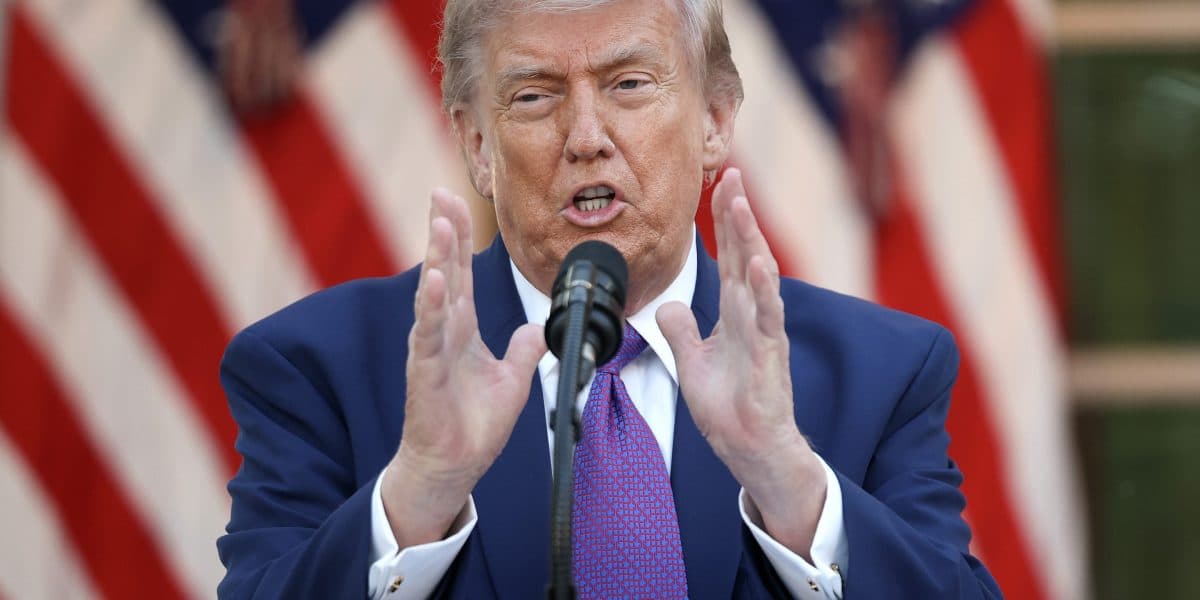
Photo via Fortune
Diplomatic negotiations between the U.S. and Iran over reopening the Strait of Hormuz have reached an impasse, according to Fortune, leaving one of the world's most critical oil chokepoints in a precarious state. The Strait of Hormuz, through which roughly one-third of global seaborne oil passes, remains a flashpoint in international energy markets and geopolitical relations.
The stalled talks come as physical crude markets are showing renewed strength, reflecting underlying supply constraints rippling through the global energy sector. This tightening in available crude reserves suggests that energy costs could remain elevated in the near term, with potential implications for transportation, manufacturing, and logistics operations across the Charlotte region.
For Charlotte-area businesses dependent on stable energy costs—including manufacturing firms, logistics providers, and transportation companies—sustained supply tightness could translate to higher operational expenses. Companies that haven't already locked in energy contracts may face pressure to do so as prices remain firm.
Energy analysts caution that without progress on diplomatic fronts, the supply situation could worsen. Charlotte business leaders managing transportation fleets and energy-intensive operations should monitor these developments closely and consider their hedging strategies as global crude markets remain in a state of uncertainty.