Photo via Zerohedge
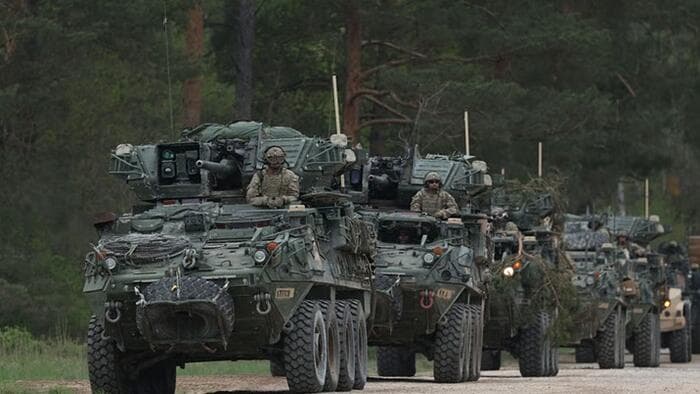
The U.S. Army has abruptly canceled a planned deployment of the 2nd Armored Brigade Combat Team, 1st Cavalry Division to Poland, catching Pentagon leadership off guard. According to NBC and Politico, the decision to pull the plug on what would have involved over 4,000 troops and significant military equipment was made without advance notice to top defense officials. The timing proved particularly awkward, as some personnel and equipment had already begun arriving in the country, forcing emergency coordination efforts across European and American defense circles.
The sudden reversal has raised concerns among military strategists about long-term U.S. commitment to European allies. Lt. Gen. Ben Hodges, former commander of U.S. Army Europe, emphasized that troop presence serves as a critical deterrent against Russian aggression and reassures NATO partners of American security guarantees. The decision signals potential shifts in broader European military positioning, with additional reductions planned for Germany—a move that could unfold over six months to a year, according to Pentagon sources.
Charlotte-area defense and logistics companies with contracts supporting European operations should monitor these policy changes closely. Military supply chains and equipment maintenance networks tied to European deployments may face disruption or require strategic repositioning. Defense contractors and logistics providers with government contracts would be wise to engage with evolving Pentagon priorities as the administration reviews overall U.S. military posture internationally.
The deployment cancellation reflects broader frustration with European military contributions and defense spending levels. According to CBS reporting, the decision signals administration discontent with allied support in various international engagements. As these policy shifts continue to develop, regional businesses dependent on defense spending and military logistics should prepare for potential contract realignments and seek clarity on future Pentagon priorities in Europe.