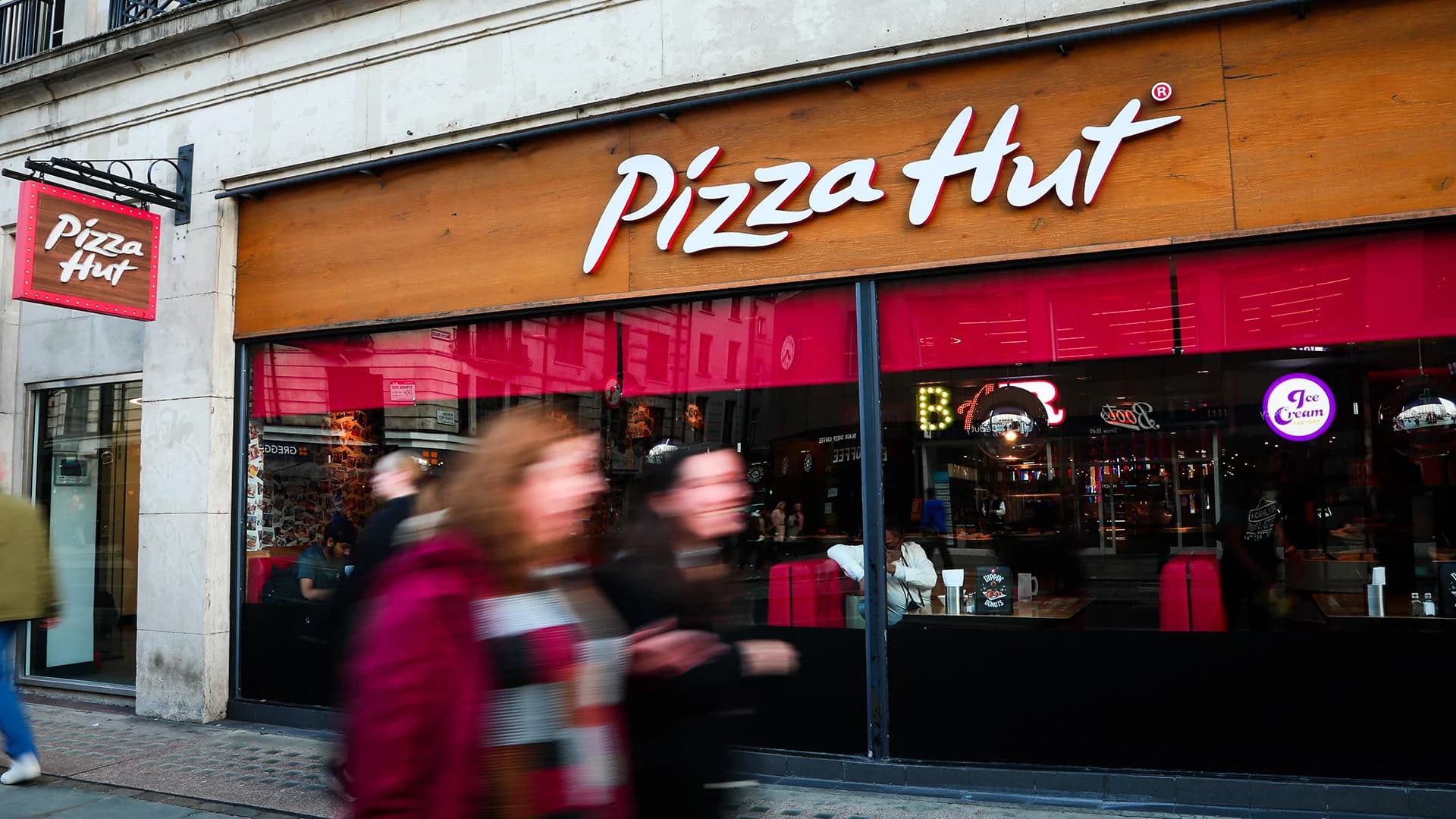
Photo via Inc.
Pizza Hut is defending itself against a significant legal challenge filed by one of its franchisees in Texas Business Court, according to Inc. The $100 million lawsuit centers on the chain's artificial intelligence-powered delivery system, highlighting ongoing tensions between corporate restaurant operations and franchise partners over technology adoption.
The dispute underscores a broader challenge facing quick-service restaurant chains as they invest heavily in automation and AI systems. For Charlotte-area franchise operators and restaurant business owners, the case serves as a cautionary example of how technology rollouts can create friction between corporate headquarters and franchisees if implementation concerns aren't adequately addressed.
This legal action reflects growing scrutiny of how major food service brands deploy technology that directly impacts franchisee operations and profitability. As more QSR chains experiment with AI-driven ordering, delivery routing, and customer service tools, questions about fair burden-sharing and transparent communication between corporate and franchise operations have become increasingly important.
The outcome of this Texas case could influence how other restaurant chains—including those with significant operations in the Carolinas—approach technology partnerships with franchisees. Industry observers will likely watch closely to see whether this dispute establishes precedent around franchisee rights regarding mandatory technology systems and their associated costs or risks.