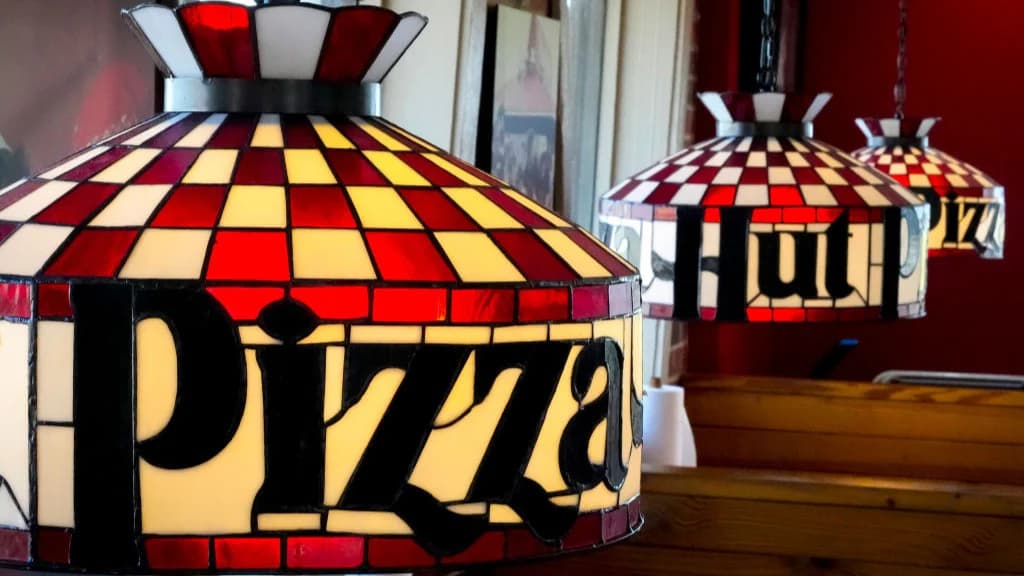
Photo via Inc.
Pizza Hut, once a dominant force in American dining, has found an unexpected path forward by embracing its heritage rather than abandoning it. According to Inc., the company's leadership is banking on nostalgia-driven marketing and design to reconnect with lapsed customers and generate renewed interest in the brand. This strategic pivot represents a broader trend among legacy restaurants seeking relevance in an increasingly crowded market.
Tim Sparks, the executive driving this transformation, has recognized that Pizza Hut's greatest asset may be its historical cultural footprint. By deliberately evoking the visual aesthetics and dining experience of the 1980s—a period when the brand was ubiquitous—the company is tapping into emotional connections that newer competitors cannot replicate. This approach transforms what could be seen as outdated into something deliberately retro and culturally resonant.
For Charlotte-area business operators, Pizza Hut's strategy offers relevant insights. The region's own established restaurant and retail chains face similar pressure to evolve while maintaining their core identity. By studying how legacy brands can leverage nostalgia as a competitive differentiator, local entrepreneurs can develop their own revival strategies that celebrate rather than discard their market history.
The success of this retro-focused approach will ultimately depend on execution—whether the company can balance historical authenticity with modern operational expectations around service, menu innovation, and digital ordering. If Pizza Hut's gambit succeeds, it may reshape how regional and national chains think about heritage positioning, potentially sparking a broader appreciation for brand storytelling in the competitive food service landscape.