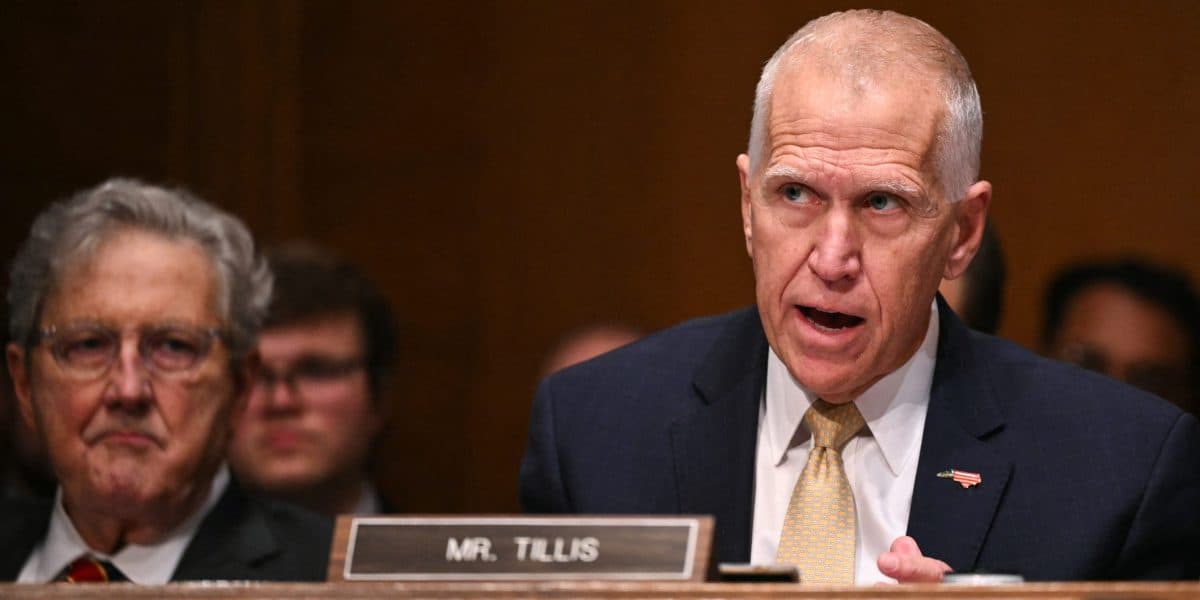
Photo via Fortune
North Carolina's political landscape is being shaped by growing divisions within the Republican Party, particularly as moderate voices challenge the party's direction. According to Fortune, these internal conflicts are creating new coalitions that don't follow traditional party lines, a development with potential implications for how federal policy affects Charlotte's business community.
The fracturing of Republican unity suggests that business-friendly legislation and regulatory decisions may become increasingly unpredictable. Companies operating across multiple sectors in the Charlotte region—from banking and finance to manufacturing and real estate—typically benefit from predictable policy environments. When party leadership is fragmented, the outcomes of key votes and policy initiatives become harder to forecast.
For Charlotte's business community, these political developments underscore the importance of maintaining direct relationships with elected representatives and staying engaged in the legislative process. When party discipline weakens, individual lawmakers' positions gain greater influence, making constituent input and business advocacy efforts potentially more impactful at both state and federal levels.
As 2024 unfolds, Charlotte business leaders should monitor how these political divisions affect priorities like infrastructure investment, tax policy, and regulatory reform. The region's continued growth depends partly on stable, predictable governance—a commodity that becomes scarcer when elected officials openly challenge their party's leadership.