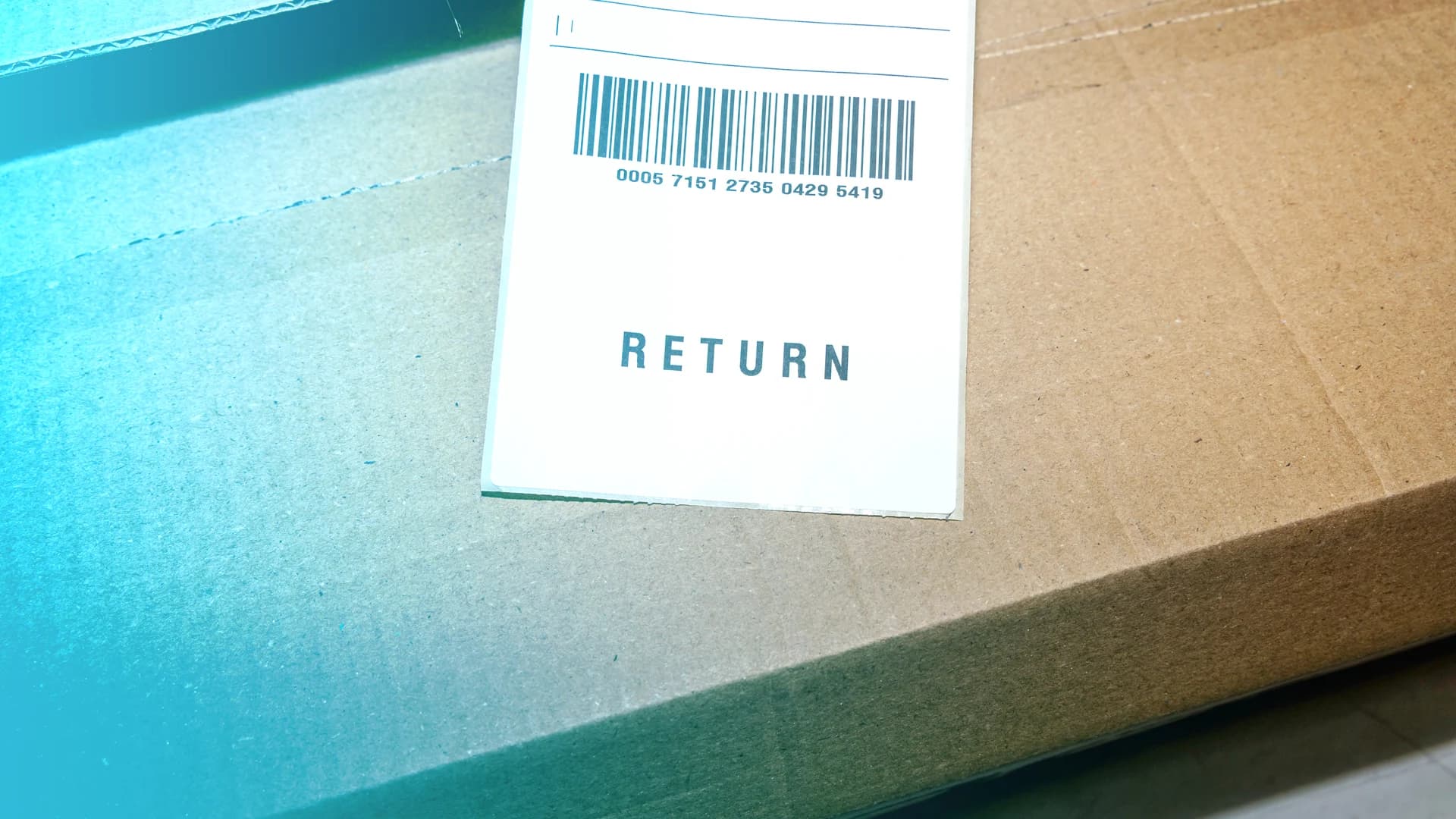
Photo via Inc.
The explosive growth of online shopping has created an unexpected headache for retailers: a mounting tide of product returns. According to Inc., e-commerce returns have reached crisis levels for many merchants, cutting into margins and complicating supply chains. For Charlotte-area retailers competing in the national marketplace, managing returns efficiently has become essential to profitability—and a handful of forward-thinking startups are capitalizing on the opportunity.
Three emerging companies are reimagining how businesses handle returned merchandise, transforming what was once considered dead weight into a revenue stream. Their approaches range from reconnecting returned items with new buyers to refurbishing and reselling products at discounted prices. By leveraging technology and logistics innovation, these startups are helping retailers reduce waste while recovering value from inventory that would otherwise be discarded or stored.
The implications extend beyond individual retailers. For Charlotte's logistics and supply chain sector—already a significant economic driver—these solutions represent a new frontier in reverse logistics. Local warehousing and fulfillment operations could benefit from adopting these models, creating competitive advantages in an increasingly crowded e-commerce landscape where operational efficiency directly impacts the bottom line.
As consumer expectations around sustainability and waste continue to shift, retailers who master reverse logistics will likely gain both cost savings and brand loyalty. Startups addressing this challenge aren't just solving a problem; they're reshaping how modern commerce works from the ground up.