Photo via Inc.
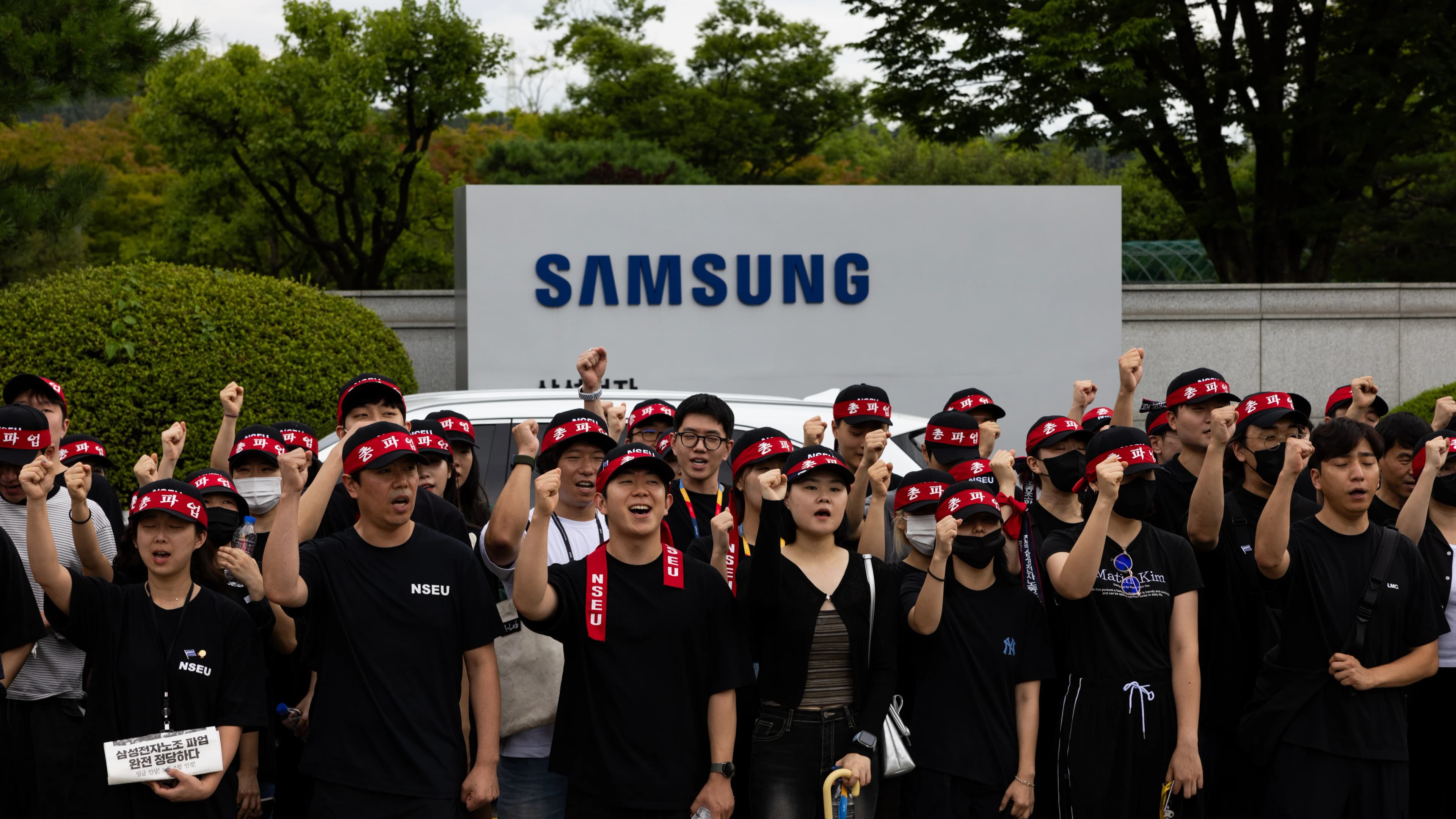
Samsung workers are signaling a major labor action that could have far-reaching consequences for the semiconductor industry. According to reporting on the labor dispute, the strike centers on worker demands and could disrupt production at one of the world's largest memory chip manufacturers. For Charlotte-area tech companies, data centers, and enterprises relying on cutting-edge computing infrastructure, any Samsung production halt represents a genuine supply chain risk.
The timing of a potential strike is particularly sensitive given the current AI boom. Memory chips—both DRAM and NAND flash—are critical components in AI infrastructure, from training systems to data center operations. If Samsung, a dominant player in these markets, faces extended production shutdowns, the resulting shortage could delay product launches and increase costs for companies across the region investing in AI capabilities and digital transformation initiatives.
Charlotte's growing technology sector, including financial services firms, healthcare innovators, and software companies increasingly dependent on advanced computing, would face indirect impacts. Supply delays and price increases for memory chips could trickle down to local businesses purchasing or integrating these components into their operations. Companies already managing tight timelines for cloud migration or AI implementation could see projects delayed.
Industry observers are watching the labor situation closely as negotiations continue. The broader lesson underscores how concentrated global manufacturing can create vulnerability in technology supply chains. For Charlotte business leaders, this moment highlights the importance of supply chain diversification strategies and closer monitoring of dependencies on single suppliers—particularly in critical sectors like semiconductors that underpin modern AI and digital infrastructure.