Photo via Inc.
The booming sleep technology market—from smartwatches to specialized sleep rings—promises Charlotte professionals better rest and improved productivity. However, recent research challenges this narrative, suggesting that many popular sleep devices may actually exacerbate insomnia rather than resolve it. The finding comes as more Charlotte-area workers turn to tech-based wellness solutions to manage demanding work schedules.
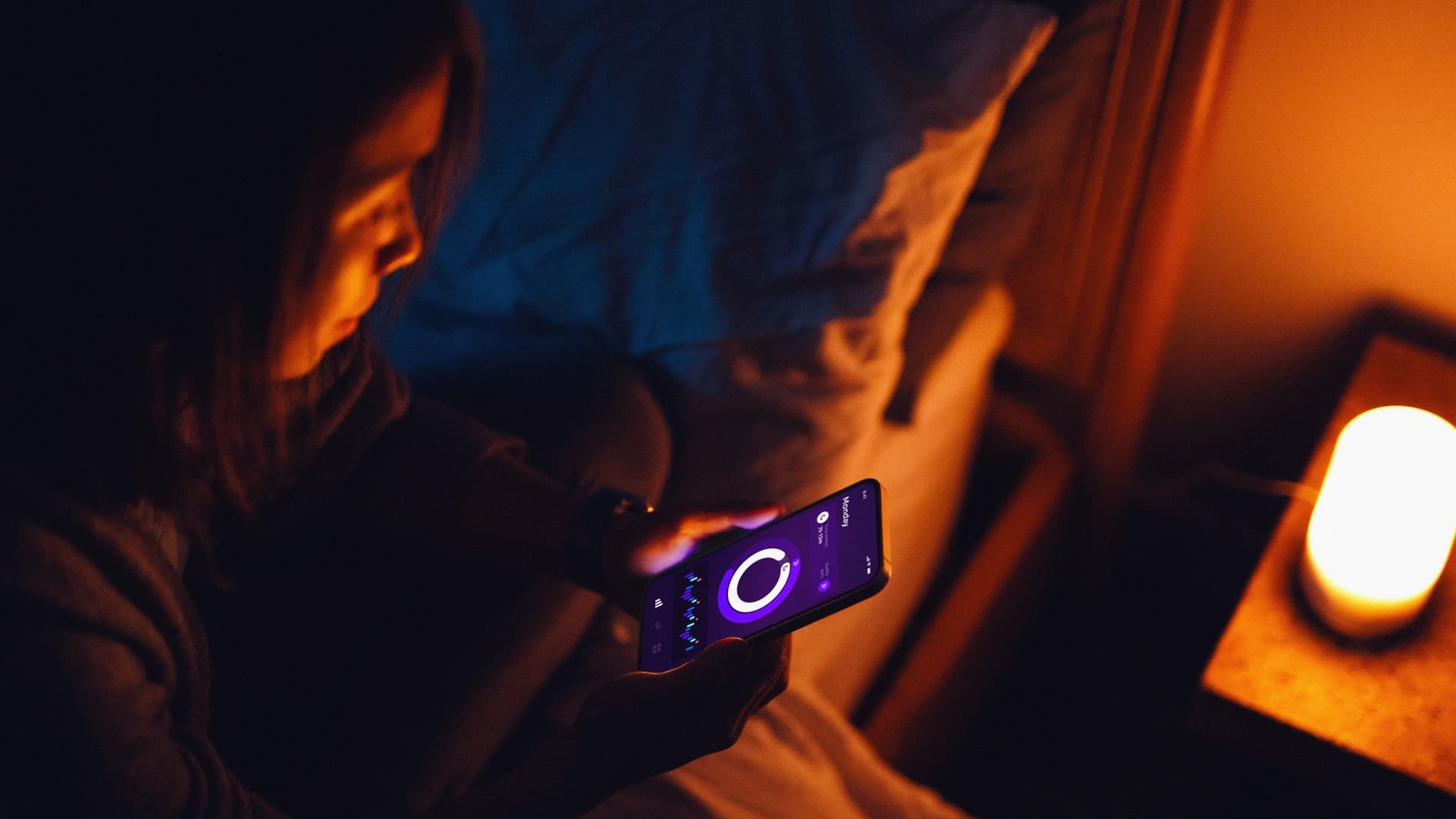
According to the study cited in Inc., the problem often stems from 'performance anxiety' created by these devices. When users obsessively monitor sleep metrics—heart rate variability, sleep cycles, or restlessness scores—they can become hyperaware of sleep difficulties, triggering a stress response that makes falling asleep even harder. This counterintuitive outcome particularly affects individuals already prone to sleep challenges, who are most likely to adopt such technology in the first place.
For Charlotte business leaders and entrepreneurs already managing high-stress roles, the implications are significant. Rather than investing in expensive wearables that promise sleep optimization, the research suggests focusing on fundamental sleep hygiene practices: consistent bedtimes, screen time reduction, and stress management—approaches that don't carry the risk of amplifying anxiety about sleep itself.
The findings underscore a broader lesson for consumers evaluating health technology: not all solutions work universally, and some may create unintended consequences. Before adopting sleep tech, individuals should consider whether tracking sleep metrics aligns with their psychological profile, or if stepping back from constant monitoring might deliver better results.