Photo via Fast Company
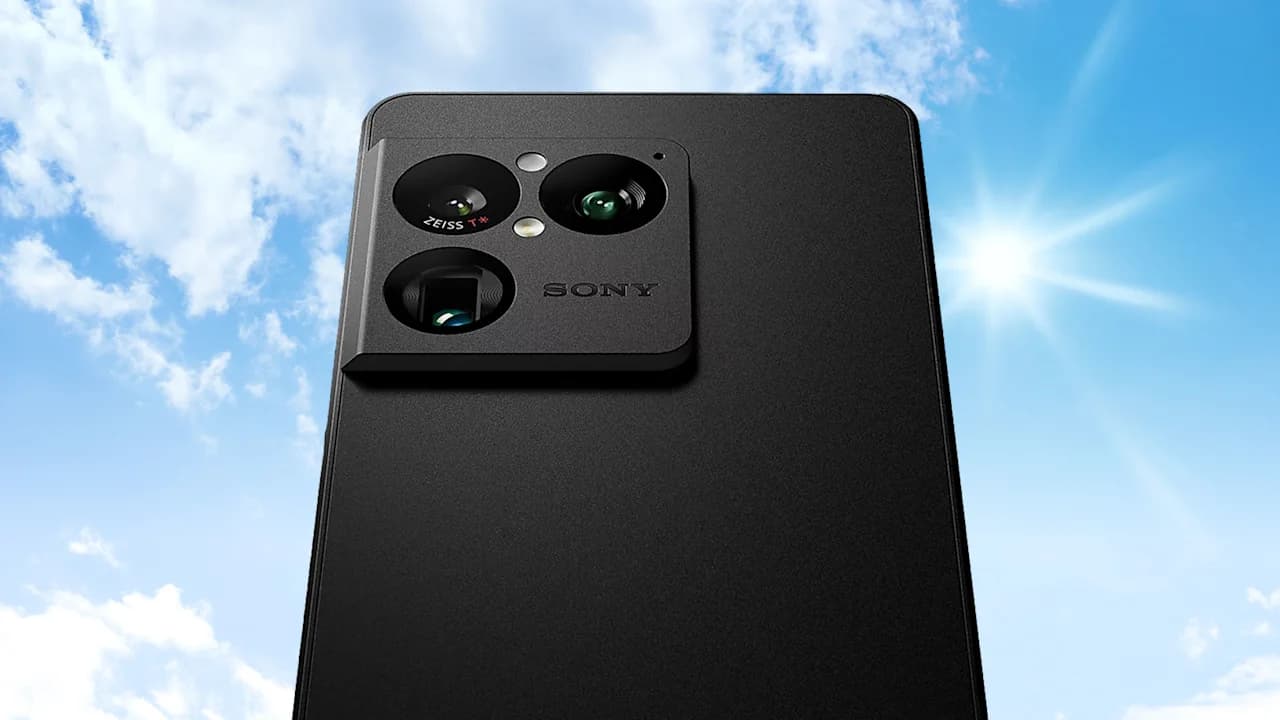
Sony's attempt to showcase a new artificial intelligence-powered camera assistant on its Xperia smartphone backfired spectacularly this week, with the company's own promotional images becoming the target of widespread mockery across social media platforms. The feature, designed to suggest lens, exposure, and color adjustments based on scene analysis, was demonstrated through before-and-after photo samples that users quickly criticized as overexposed and poorly composed—the opposite of what you'd expect from a photography enhancement tool.
The backlash gained momentum rapidly, with the original post accumulating over 11 million views and thousands of critical comments within days. Many users and industry observers questioned whether Sony's marketing team genuinely believed the demonstration images represented quality work, or whether the company deliberately posted flawed examples to generate engagement through controversy. According to reporting on the incident, the practice of "engagement farming"—intentionally courting negative reactions for visibility—has become increasingly common among major brands testing social media strategy.
For Charlotte-area marketing and tech professionals, the Sony case offers a cautionary lesson in how a single miscalculated social media post can derail a product launch and dominate public perception. The company's follow-up clarification—explaining that the tool offers creative suggestions rather than automatic edits—arrived too late to contain the damage. The incident underscores the importance of thorough vetting of promotional materials before release, particularly when introducing emerging technologies to skeptical audiences.
Whether Sony's stumble was intentional or a genuine oversight remains unclear, but the episode demonstrates the fragility of brand reputation in real-time digital environments. For local business leaders and marketing teams, the takeaway is straightforward: AI and emerging technologies require careful, authentic presentation, not gimmicks designed to provoke attention. The resulting "meme train," as one commenter noted, will likely outlast any corrective messaging the company attempts.