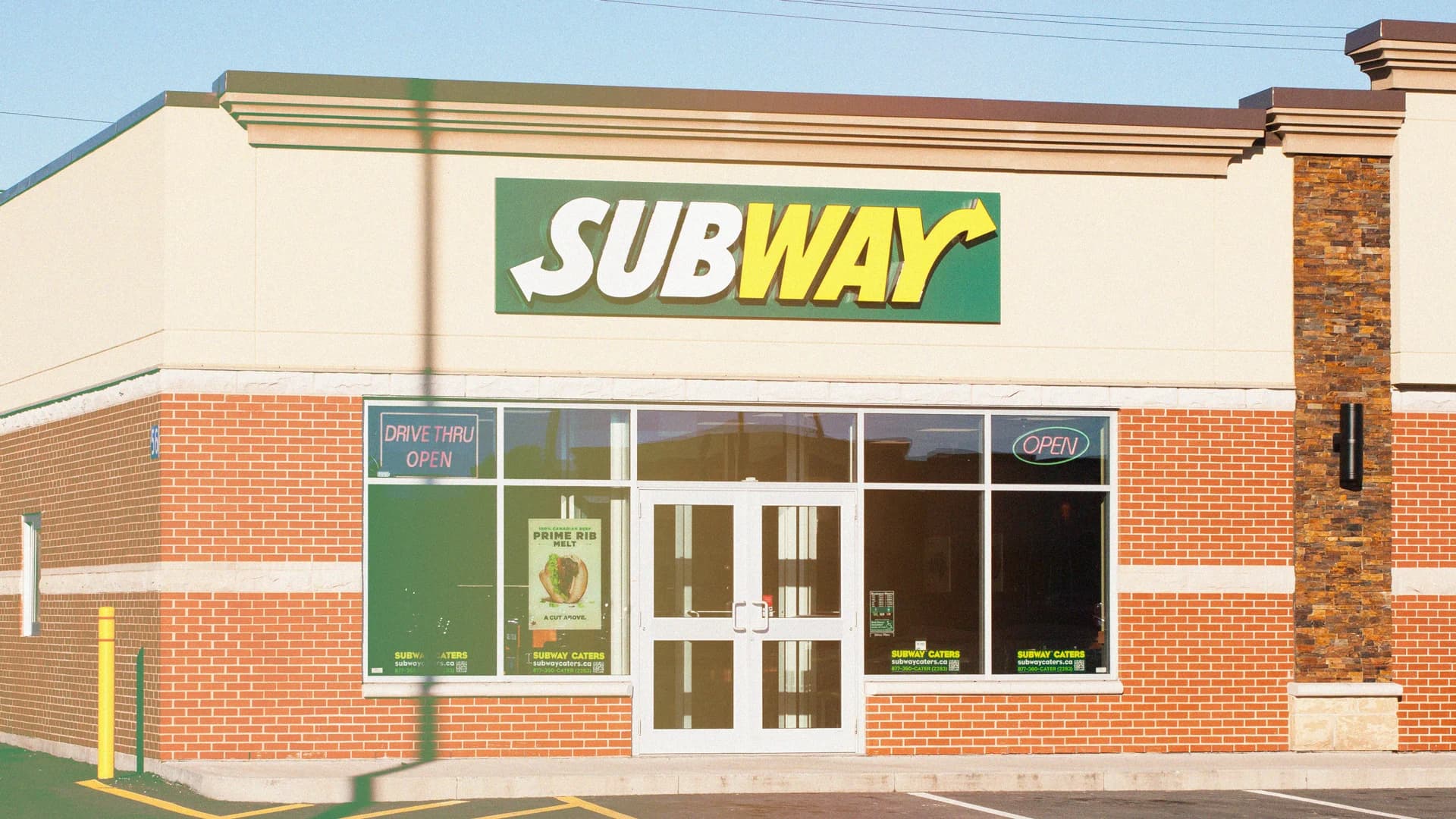
Photo via Inc.
Subway, the sandwich chain that long competed directly with McDonald's for quick-service dominance, shuttered more than 725 U.S. locations in the past year, according to Inc. The closures underscore mounting pressure on the franchise model in an increasingly competitive casual dining landscape. Despite announcing plans to open 100 new shops in 2026, the chain's total revenue declined 6 percent year-over-year, raising questions about the viability of aggressive expansion strategies.
For Charlotte-area franchisees and business owners considering quick-service restaurant investments, Subway's contraction offers cautionary lessons. The closures suggest that brand recognition alone—even among household names—doesn't guarantee profitability in today's market. Rising labor costs, changing consumer preferences, and delivery competition have fundamentally altered how successful restaurant chains operate and maintain their unit economics.
The QSR sector remains a significant part of Charlotte's economy, with numerous franchise operators managing multiple locations across the Carolinas. However, the shift in consumer behavior toward digital ordering, faster service, and healthier menu options has forced established players to rethink their business models. Chains that fail to modernize face the prospect of accelerating closures, as Subway's experience demonstrates.
As the Charlotte business community watches these industry shifts, entrepreneurs and investors should consider whether traditional franchise models can adapt quickly enough to remain competitive. The next phase of growth in quick-service restaurants may belong to chains that can innovate faster than legacy players, creating both risks and opportunities for local franchise operators.