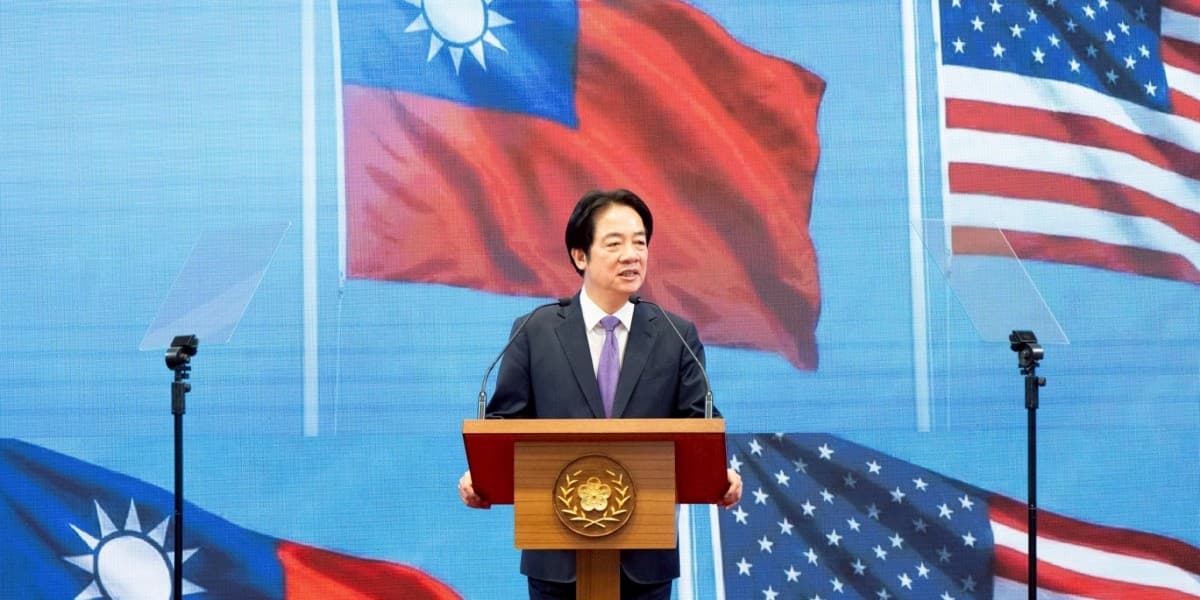
Photo via Fortune
The Trump administration's December approval of an $11 billion military aid package to Taiwan has reignited debate over U.S. foreign policy and its role as a geopolitical bargaining tool, according to Fortune. Taiwan's president countered assertions that the arms sales are merely leverage in China negotiations, instead characterizing them as essential to maintaining regional stability and deterring military aggression across the Taiwan Strait.
For Charlotte's growing defense and aerospace sectors, such geopolitical developments carry material implications. The package includes advanced missile systems, drone technology, artillery equipment, and military software—categories where U.S. defense contractors and their supply chain partners compete fiercely. Local manufacturers and logistics providers serving the defense industry should monitor how these large-scale commitments influence procurement patterns and production schedules.
The characterization of arms sales as a 'deterrent' rather than a negotiating chip reflects a fundamental disagreement about how democratic nations should engage with authoritarian powers on security matters. Taiwan's position underscores that military capability, not diplomatic maneuvering, is what prevents regional conflict—a perspective that could influence future defense spending and contracts.
Charlotte-area business leaders in aerospace, manufacturing, and defense-adjacent industries should track ongoing U.S.-Taiwan relations and defense policy shifts, as these developments often precede changes in federal contract opportunities and supply chain demands. The strategic importance assigned to Taiwan's military readiness suggests sustained defense spending in this sector for years to come.