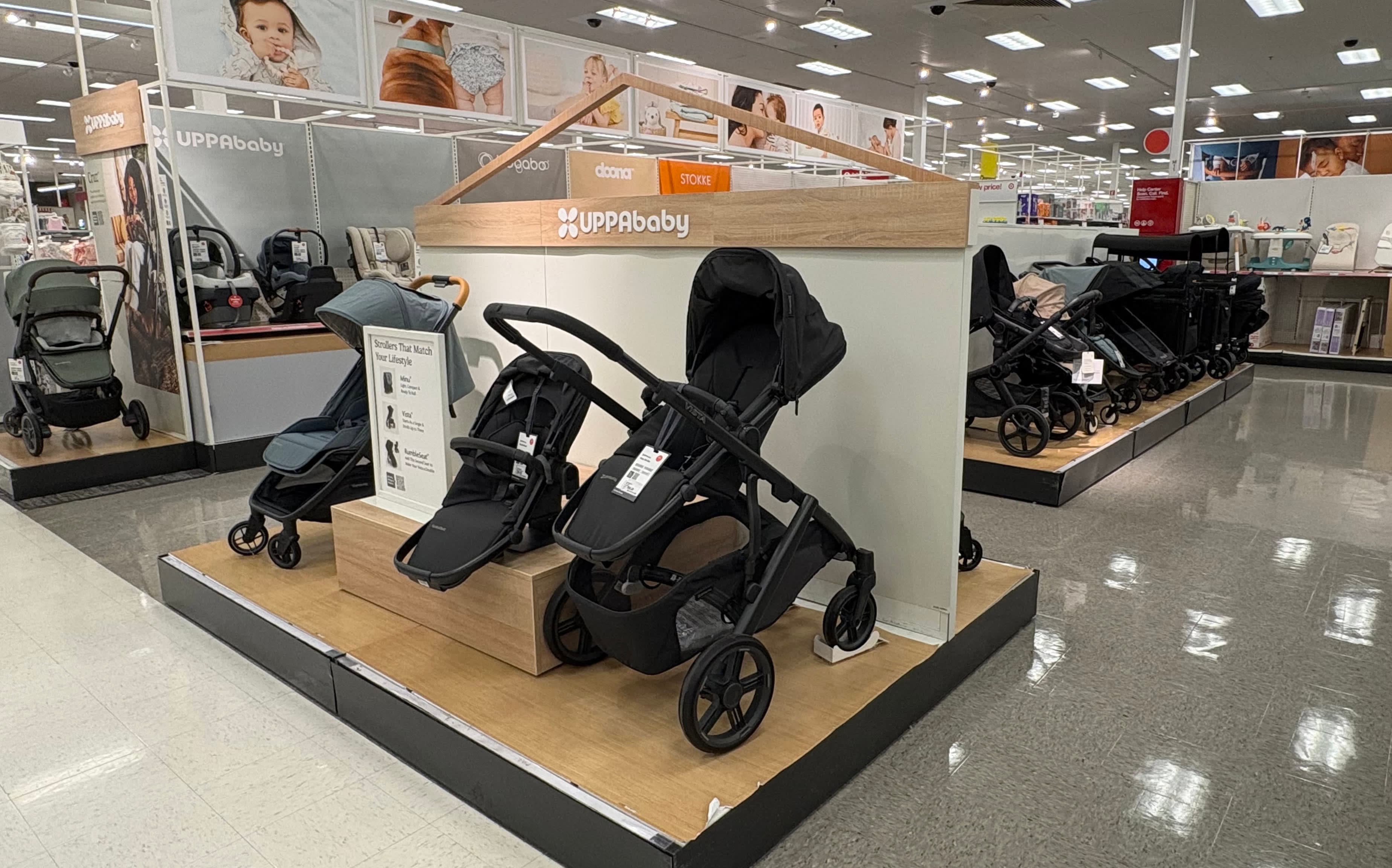
Photo via CNBC Business
Target is making a strategic push to recapture market share among busy families by significantly refreshing its baby products and services. According to CNBC Business, the retail giant is betting that improved selection, quality, and convenience in the baby aisle can help it win customers back from competitors like Walmart and Amazon, which have long dominated the family shopping segment.
The company's focus on the baby category reflects a broader competitive reality in Charlotte's retail landscape. As major retailers compete for household spending, differentiating through targeted category improvements has become essential. For Charlotte-area families, this means retailers are increasingly investing in convenience and curated selection rather than competing solely on price.
Target's strategy extends beyond simply stocking products. The company is examining how to integrate better service, product curation, and shopping convenience—factors that appeal to time-strapped parents. This mirrors a larger trend among major retailers to create specialized shopping experiences that address specific customer needs rather than offering generic discounts.
The competitive dynamics between Target, Walmart, and Amazon underscore how retail is evolving in 2024. For Charlotte business observers, this battle for the family market illustrates why physical retail stores continue to innovate despite e-commerce growth. Companies that can blend online convenience with in-store expertise and selection are positioning themselves for sustained success in a crowded marketplace.