Photo via TechCrunch
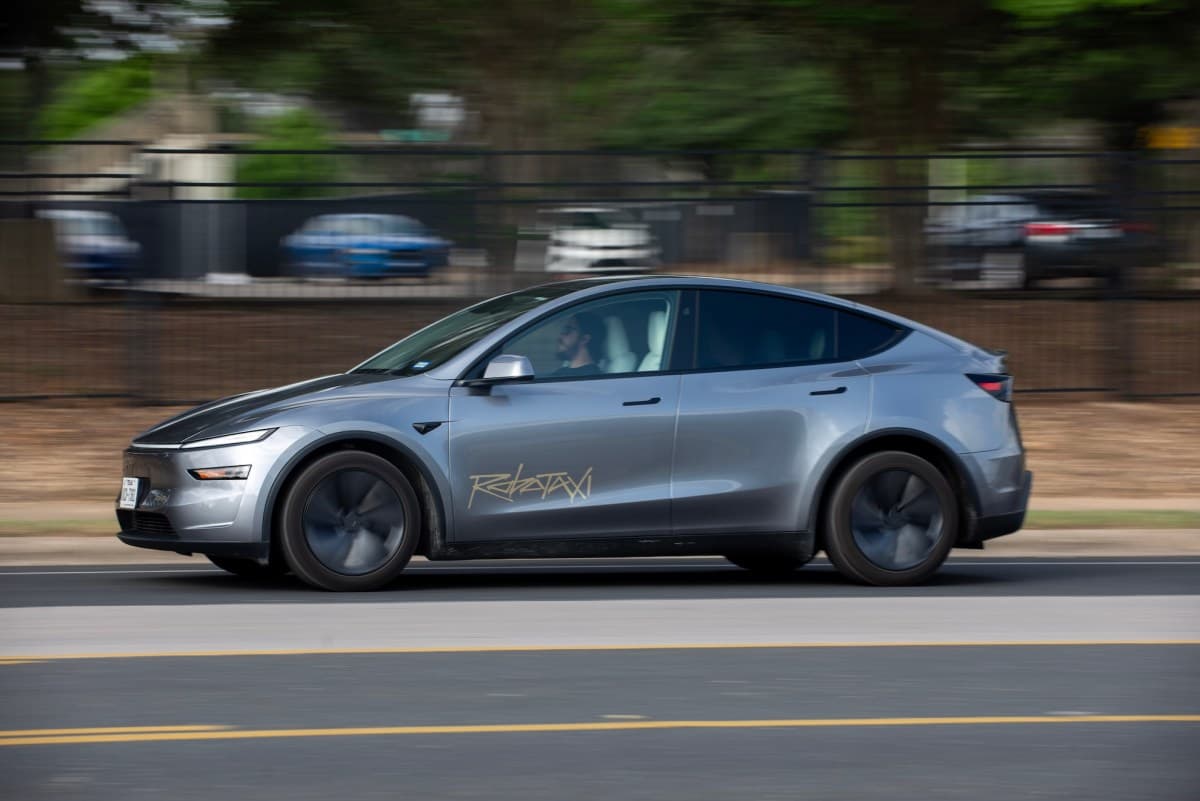
Tesla's ambitious push into autonomous robotaxi services has hit a significant speed bump. According to TechCrunch, recently unredacted crash reports reveal multiple incidents involving the company's robotaxi fleet that required human teleoperators to intervene. These disclosures underscore the ongoing technical and safety challenges Tesla faces as it works to scale its self-driving operations beyond controlled environments.
The crashes involving teleoperator-controlled vehicles highlight a critical vulnerability in Tesla's current autonomous driving model. While remote operation is positioned as a temporary safety measure during the fleet's development phase, these incidents demonstrate that the technology is not yet fully autonomous in all driving scenarios. The incidents raise questions about how frequently human intervention is needed and whether the current system can achieve the safety standards required for widespread commercial deployment.
For Charlotte-area businesses and investors tracking the autonomous vehicle sector, these setbacks carry broader implications. As transportation and logistics companies consider adopting autonomous solutions, Tesla's publicized safety issues may influence buying decisions and timelines. The regulatory scrutiny surrounding robotaxi operations could also shape how local fleet operators and mobility services prepare for future autonomous integration.
The disclosure of these crash reports suggests increased transparency pressure on autonomous vehicle developers. Moving forward, Tesla and other companies in this space will likely face heightened scrutiny from regulators and consumers alike. For Charlotte's growing tech sector and companies involved in mobility solutions, these developments underscore the importance of prioritizing safety testing and transparent reporting as autonomous technology moves toward mainstream adoption.