Photo via TechCrunch
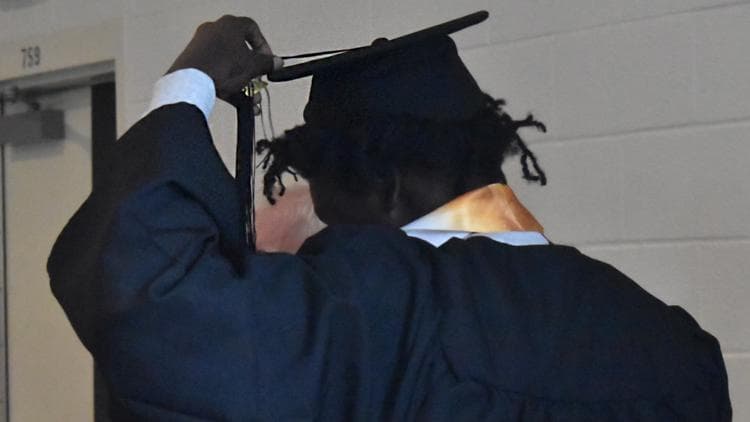
According to TechCrunch, commencement speakers in 2026 face an unusual dilemma—audiences of graduating students appear increasingly skeptical about messages centered on artificial intelligence and its promise for their careers. Rather than generating excitement about technological opportunity, AI-focused narratives may actually dampen enthusiasm among young professionals entering the workforce.
For Charlotte business leaders preparing remarks at local universities like UNC Charlotte, Davidson, or Queens University, this signals a broader sentiment shift. Graduates are processing AI's impact on job markets, wage displacement, and workplace transformation with healthy skepticism rather than unbridled optimism. Charlotte's growing tech and finance sectors—including major operations from Bank of America, Lowe's, and regional startups—will increasingly compete for talent that feels genuinely motivated, not patronized.
The challenge reflects a generational recognition that AI adoption isn't simply a positive storyline to tell. Young professionals want to understand how emerging technologies will actually affect their career trajectories, compensation, and role security. Speaking to those concrete concerns—rather than delivering vague promises about a tech-enabled future—may prove more persuasive when recruiting top talent to Charlotte organizations.
Business leaders should consider recalibrating their messaging about workplace transformation. Honest conversations about AI's real implications, the skills that remain irreplaceable, and authentic opportunities for growth may resonate far more powerfully with the next generation of Charlotte's workforce than another speech celebrating innovation for its own sake.