Photo via Fast Company
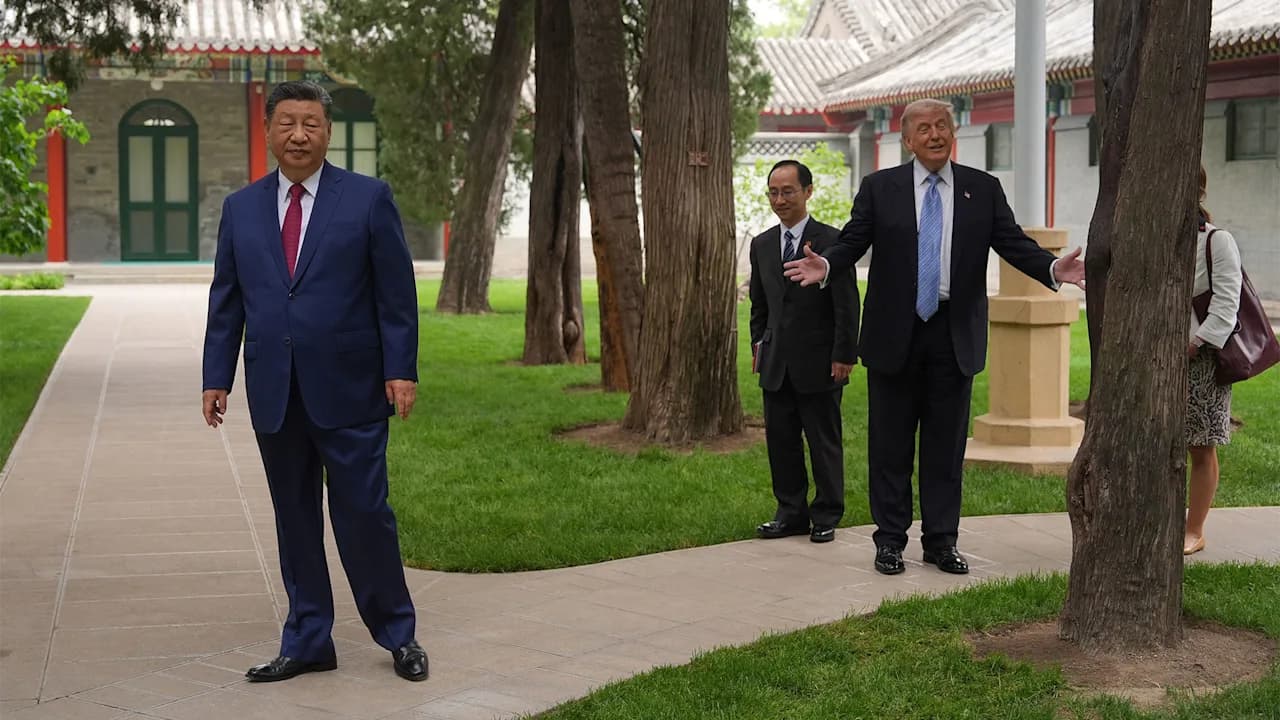
President Trump and Chinese President Xi Jinping concluded three days of talks in Beijing with claims of progress on stabilizing U.S.-China relations, though significant friction points remain unaddressed. According to reporting from the Associated Press, Trump said he has not yet determined whether to proceed with an $11 billion arms sale to Taiwan—an authorization his administration has already made but that China vehemently opposes. The Taiwan issue loomed large throughout the summit, with Xi warning that mishandled differences could lead to 'clashes and even conflicts' between the superpowers.
On the business front, Trump indicated China has committed to purchasing 200 Boeing aircraft and vowed 'fantastic trade deals' were struck, though specifics remain scarce. The administration had sought concrete commitments from Beijing to buy U.S. soybeans and beef. Meanwhile, fundamental economic friction persists: Trump has demanded Taiwan increase defense spending and has criticized the island for allegedly stealing America's semiconductor business, raising questions about the depth of any détente.
Energy markets could see significant movement if the leaders' agreement to reopen the Strait of Hormuz materializes. According to the summit readout, both leaders expressed interest in resolving the Iran conflict to restore the 20% of global oil that previously flowed through the strait. White House officials noted Xi indicated interest in China purchasing U.S. oil to reduce dependence on Gulf supplies, potentially offering opportunities for American energy exporters and North Carolina-based supply chain partners.
However, Secretary of State Marco Rubio reiterated that U.S. policy toward Taiwan remains 'unchanged' despite Trump's ambivalence on the issue. The White House continues to pressure China on fentanyl precursor chemicals flowing into Mexico and has accused Chinese firms of supporting Iran through satellite imagery and oil purchases. These unresolved disputes suggest that while diplomatic temperature may have cooled, the structural economic and geopolitical tensions between the world's two largest economies remain fundamentally intact.