Photo via Memeorandum
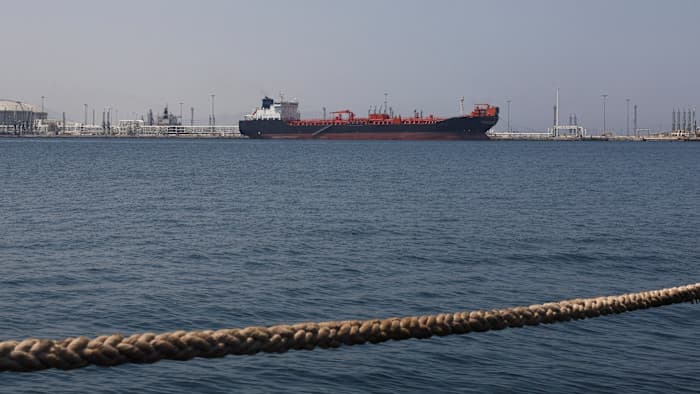
The Trump administration's ambitious $40 billion ship insurance program for the Strait of Hormuz has failed to generate any business since its announcement two months ago, according to reporting by the Financial Times. The initiative was designed to protect vessels transiting one of the world's most strategically important shipping corridors, through which roughly one-third of global seaborne petroleum passes annually.
The program's lack of uptake stems primarily from a critical gap in its implementation: the absence of dedicated U.S. naval escorts accompanying ships through the waterway. Shipping companies and insurers have expressed reluctance to participate without military protection, viewing the coverage as insufficient without a comprehensive security framework. This disconnect between the insurance offering and the actual security measures required has proven fatal to the program's viability.
For Charlotte-area logistics and supply chain professionals, this failure underscores the broader challenges facing U.S. trade infrastructure policy. Regional companies reliant on international shipping routes depend on stable, predictable transit arrangements. When government initiatives fall short of industry expectations, it creates uncertainty that can ripple through global commerce and affect local operations.
The Hormuz situation exemplifies how policy announcements must be paired with practical implementation details to succeed in the maritime sector. As global trade tensions persist, logistics firms and insurers will likely continue evaluating alternative routes and risk management strategies rather than relying on incomplete government programs.