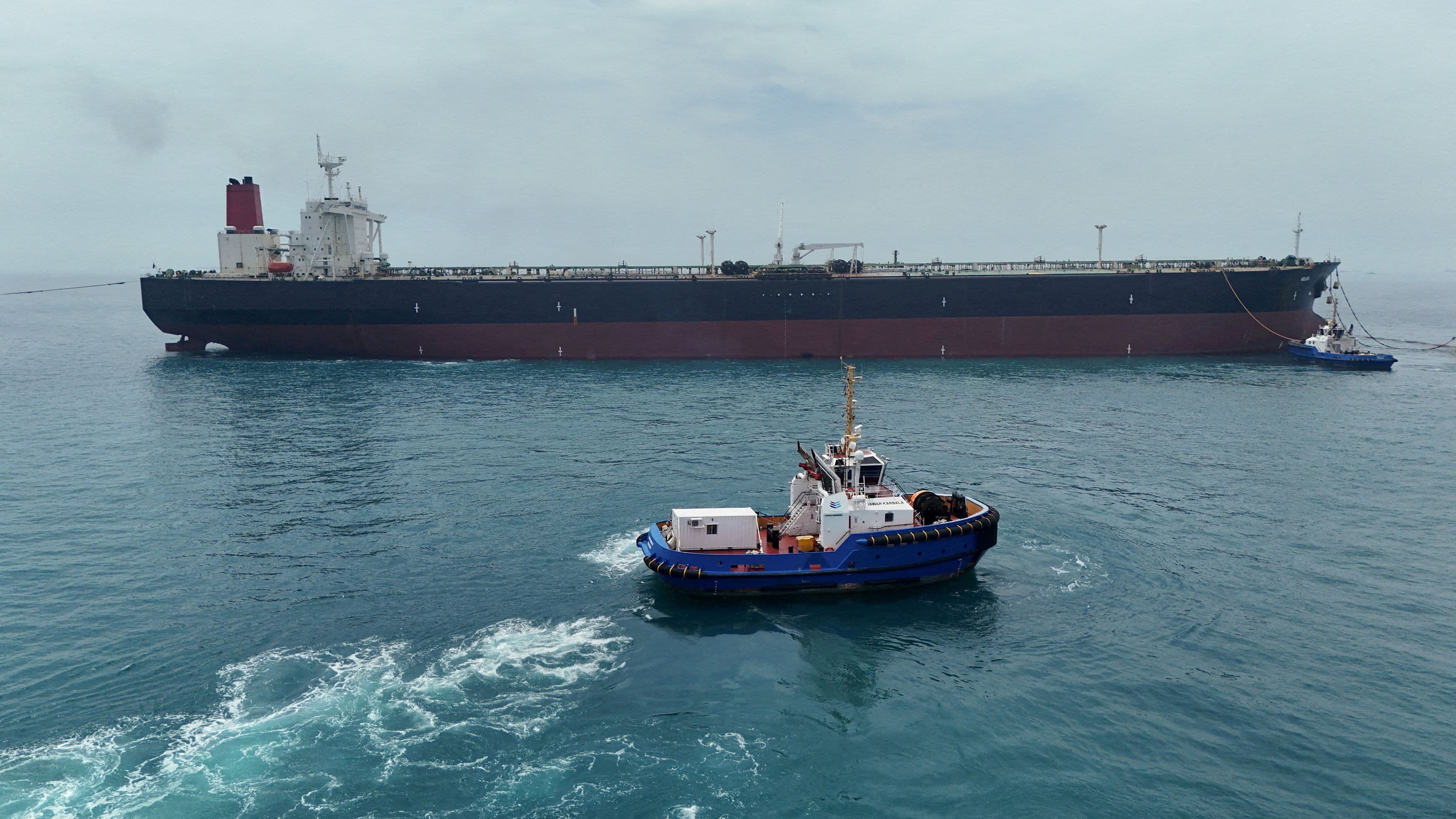
A proposal to impose a 20% charge on cargo passing through the Strait of Hormuz presents significant complications for global energy markets and international maritime law. According to reporting on the proposal, such a toll would challenge fundamental principles governing free navigation through international waters, potentially raising costs for energy shipments and destabilizing the very market conditions it purports to address. The measure raises questions about its viability as an energy policy given the complexity of enforcing such a levy across multiple jurisdictions and shipping routes.
The timing of such a proposal comes amid existing supply chain vulnerabilities in the region. Disruptions to the strait have already contributed to elevated oil and gas prices globally, and additional tariffs on energy transit could further strain energy markets already contending with geopolitical tensions. Industry observers note that higher energy costs could have cascading effects across manufacturing, transportation, and consumer sectors dependent on stable fuel pricing.
Paradoxically, higher energy costs resulting from a Hormuz toll could accelerate adoption of renewable energy and alternative fuels more rapidly than conventional climate policies alone. By increasing the relative competitiveness of non-hydrocarbon energy sources, the measure might inadvertently advance the global energy transition—though likely at significant short-term economic cost to energy importers and consumers worldwide.