Photo via Inc.
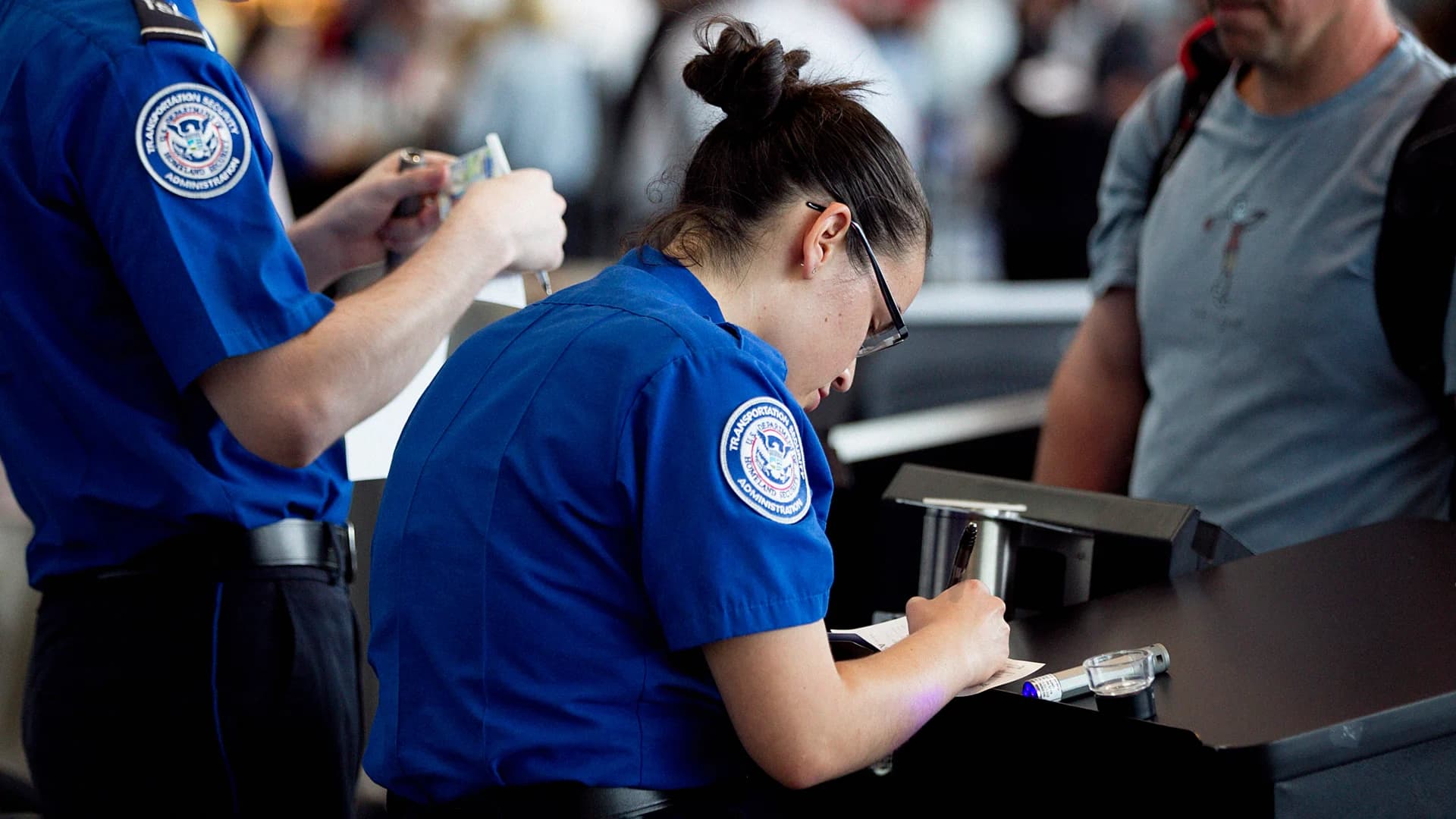
The Transportation Security Administration is piloting an innovative approach to airport congestion in Boston, where Delta and JetBlue passengers will soon have the option to complete check-in, baggage drop, and security screening at a remote facility before shuttling to the airport. Beginning June 1, this 'Straight to the Gate' program aims to eliminate traditional airport lines and expedite the boarding process for participating carriers.
For Charlotte business travelers, this development carries particular relevance given CLT's role as a major hub for both American Airlines and Southwest Airlines. While Charlotte's airport operators have not announced similar programs, the Boston model demonstrates how logistics innovation can address the persistent pain point of pre-flight processing times—a concern affecting the region's workforce and business travel schedules.
The off-site facility concept represents a significant shift in airport operations strategy. By decentralizing security and check-in functions, airports can reduce bottlenecks at terminals while improving passenger experience. This approach could prove especially valuable during peak travel seasons and may inspire similar initiatives at other major U.S. airports seeking competitive advantages in passenger satisfaction.
As Charlotte continues to position itself as a premium business travel destination, stakeholders should monitor how the Boston program performs. Success could prompt local airport leadership to explore comparable solutions, particularly given CLT's consistent ranking among the nation's busiest airports and its importance to the regional economy.