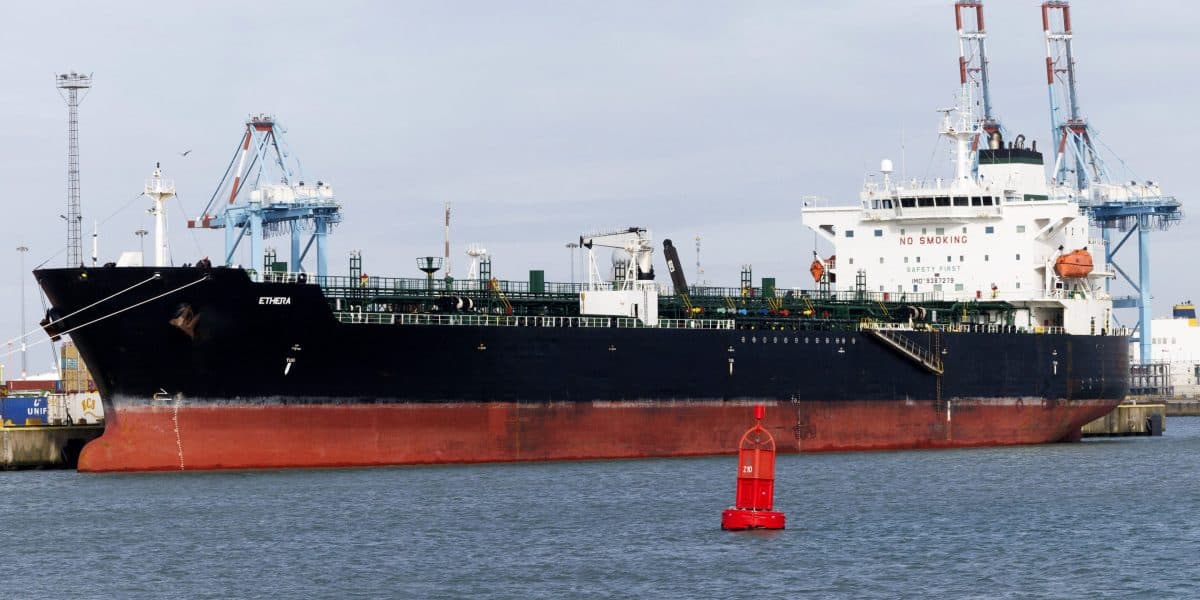
Photo via Fortune
The U.S. has allowed a temporary waiver on Russian oil sanctions to lapse, effectively closing a window that had permitted limited petroleum purchases from Moscow. According to Fortune, this policy shift marks the end of a brief period during which the administration had eased restrictions on certain Russian energy transactions that would otherwise be prohibited under existing sanctions frameworks.
The timing of this expiration comes as global energy markets continue to grapple with supply constraints. With crude prices already volatile and inventories tight in key regions, the decision to reinstate stricter sanctions could have ripple effects across multiple sectors, including transportation, manufacturing, and logistics operations that depend on stable fuel costs.
For Charlotte-area businesses—particularly those in distribution, transportation, and energy-dependent manufacturing—tighter energy markets could translate to higher operational costs. Companies relying on consistent fuel pricing for logistics networks and production schedules may need to reassess their budgets and supply chain strategies as market conditions potentially shift.
Energy analysts and industry observers will be watching to see whether the expiration accelerates efforts among U.S. producers and allies to increase domestic output and stabilize markets through alternative sources, or whether global energy prices experience further upward pressure in the coming months.