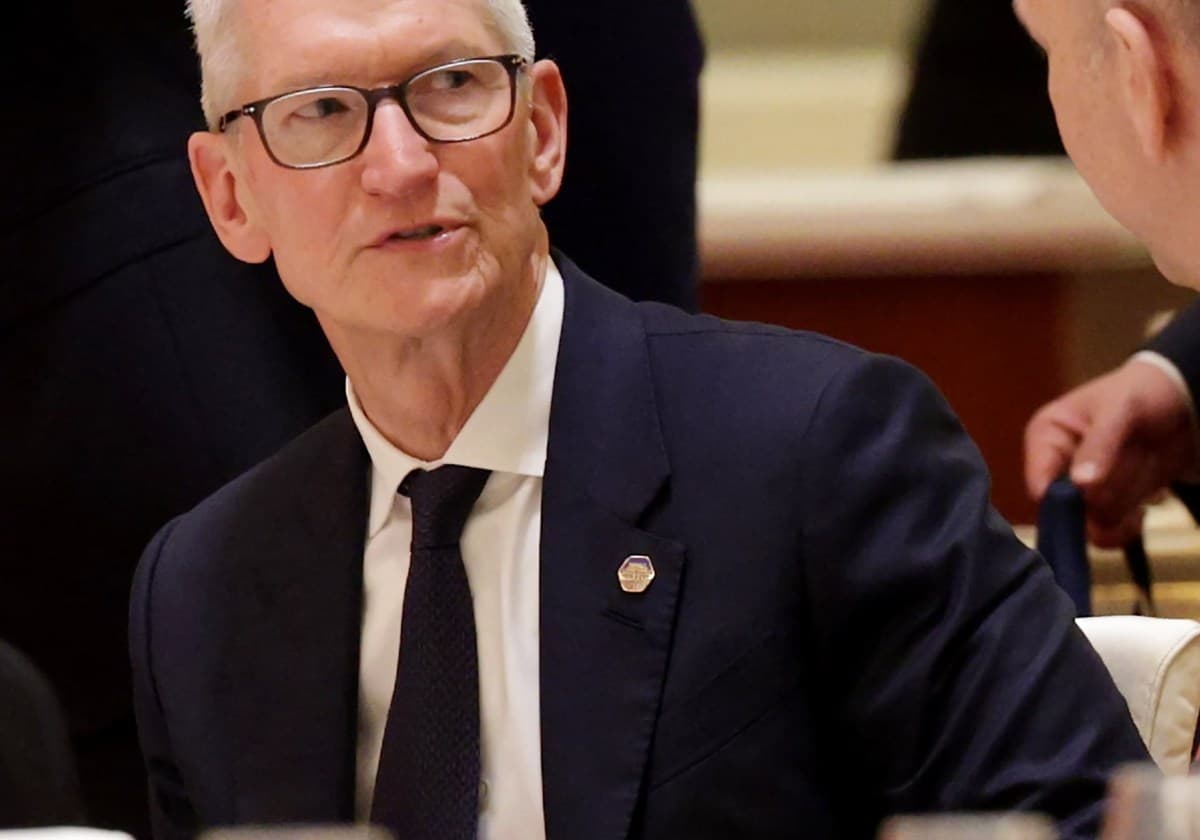
Photo via TechCrunch
The U.S. government has implemented heightened security protocols for officials returning from diplomatic missions to China, including mandatory disposal of certain items brought aboard official aircraft. According to TechCrunch, travelers were required to discard gifts, commemorative pins, and communication devices following a recent summit. The measure underscores Washington's growing concern about intelligence gathering tactics employed by Beijing.
China's sophisticated espionage and intelligence capabilities remain a persistent threat to U.S. national security interests, despite the appearance of diplomatic cordiality during official exchanges. Security experts worry that seemingly innocuous items—gifts, electronics, or personal devices—can be weaponized for surveillance or data collection purposes. This risk extends beyond government officials to private sector representatives who regularly conduct business with Chinese entities.
For Charlotte-area technology companies and manufacturers engaged in international trade, these security directives carry practical implications. Firms exporting products or conducting research partnerships with Chinese counterparts should review their own data protection and supply chain security protocols. The incident serves as a reminder that corporate espionage remains a genuine concern in cross-border commerce.
Business leaders in North Carolina's growing tech and manufacturing sectors should consider the geopolitical landscape when negotiating international partnerships or licensing agreements. Consulting with security professionals and legal advisors experienced in international trade compliance can help mitigate risks associated with sensitive intellectual property and proprietary information.