Photo via WCNC Charlotte
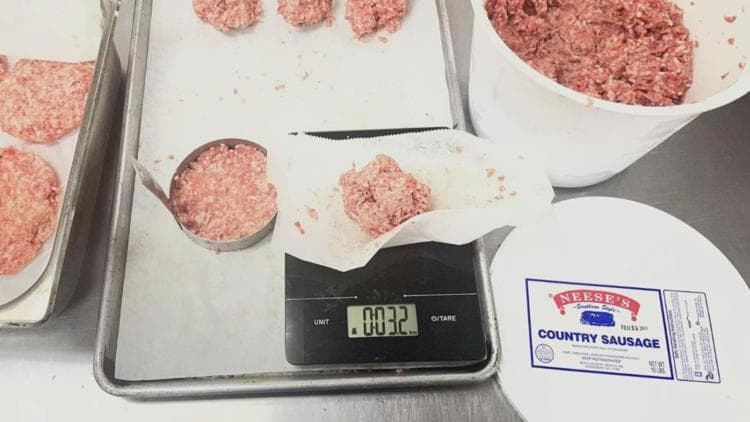
According to WCNC Charlotte's investigation of newly available USDA records, Neese's Country Sausage—a long-standing fixture in the Charlotte region's food manufacturing sector—faced significant food safety challenges in the period preceding its transition to new ownership. The documents reveal multiple instances of Listeria detection at the facility, raising questions about the company's quality control protocols during that operational window. These findings underscore the critical importance of regulatory oversight in North Carolina's food processing industry, which represents a substantial economic contributor to the region.
The USDA records indicate that sanitation concerns extended beyond isolated incidents, with inspectors documenting systemic issues that required months of remediation efforts. The pattern of repeated contamination findings suggests structural or procedural deficiencies that demanded comprehensive corrective action before operations could resume at full capacity. For Charlotte-area businesses and consumers alike, the case highlights how regulatory agencies monitor food safety compliance and the consequences when manufacturers fall short of federal standards.
The ownership transition at Neese's reflects broader challenges facing established regional manufacturers as they navigate increasingly stringent food safety requirements and the operational costs of compliance. The company's experience serves as a cautionary example for other Charlotte-based food processors about the importance of proactive sanitation management, regular facility maintenance, and robust internal quality assurance systems to avoid disruptions to operations and brand reputation.