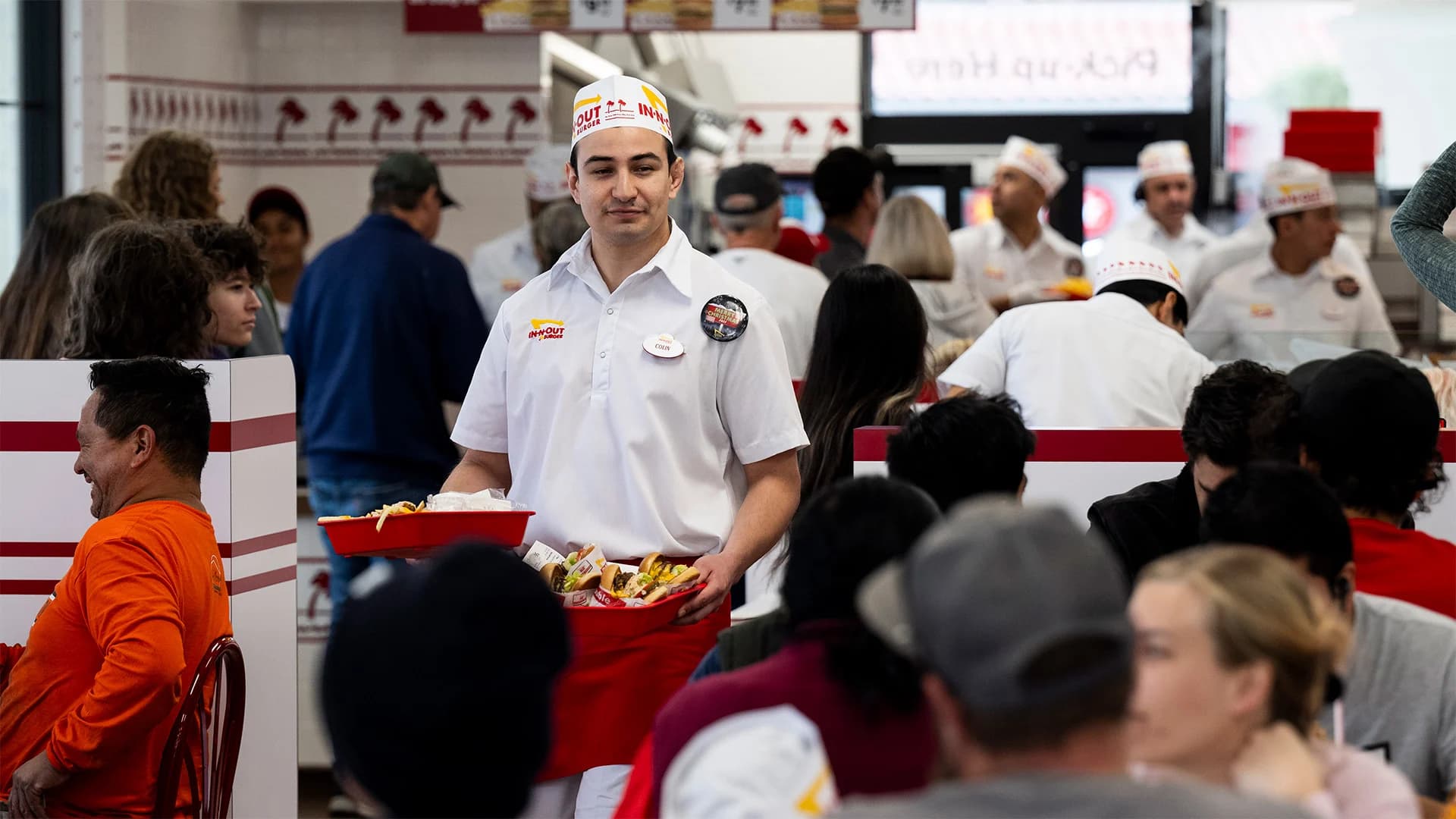
Photo via Inc.
When labor costs rise significantly, businesses respond strategically to protect their bottom line. According to Inc., California's recent fast-food minimum wage increase has prompted chain operators to reassess their staffing models and operational efficiency. For Charlotte's growing restaurant and quick-service food sector, this case study offers valuable lessons about managing labor-intensive businesses in a tightening wage environment.
The primary response from fast-food employers has been reducing employee hours rather than raising prices or accepting lower margins. Some chains have implemented scheduling software to optimize labor deployment, while others have accelerated investments in self-service kiosks and kitchen automation. These moves allow companies to maintain profitability despite higher hourly wages, though they often result in fewer total jobs available to workers.
Charlotte's restaurant community—from corporate headquarters like Bojangles to independent operators—should prepare for similar pressures. North Carolina's minimum wage remains at the federal level of $7.25, but regional and local discussions about wage standards are intensifying. Business leaders in the hospitality sector may benefit from studying how their California counterparts are restructuring operations before comparable wage pressures arrive in the Southeast.
The longer-term implication extends beyond hourly wages. As automation becomes more economically viable than traditional staffing, the nature of service-sector employment may fundamentally shift. Charlotte business owners should consider how technology investments today could reshape their workforce strategy and competitive positioning over the next three to five years.