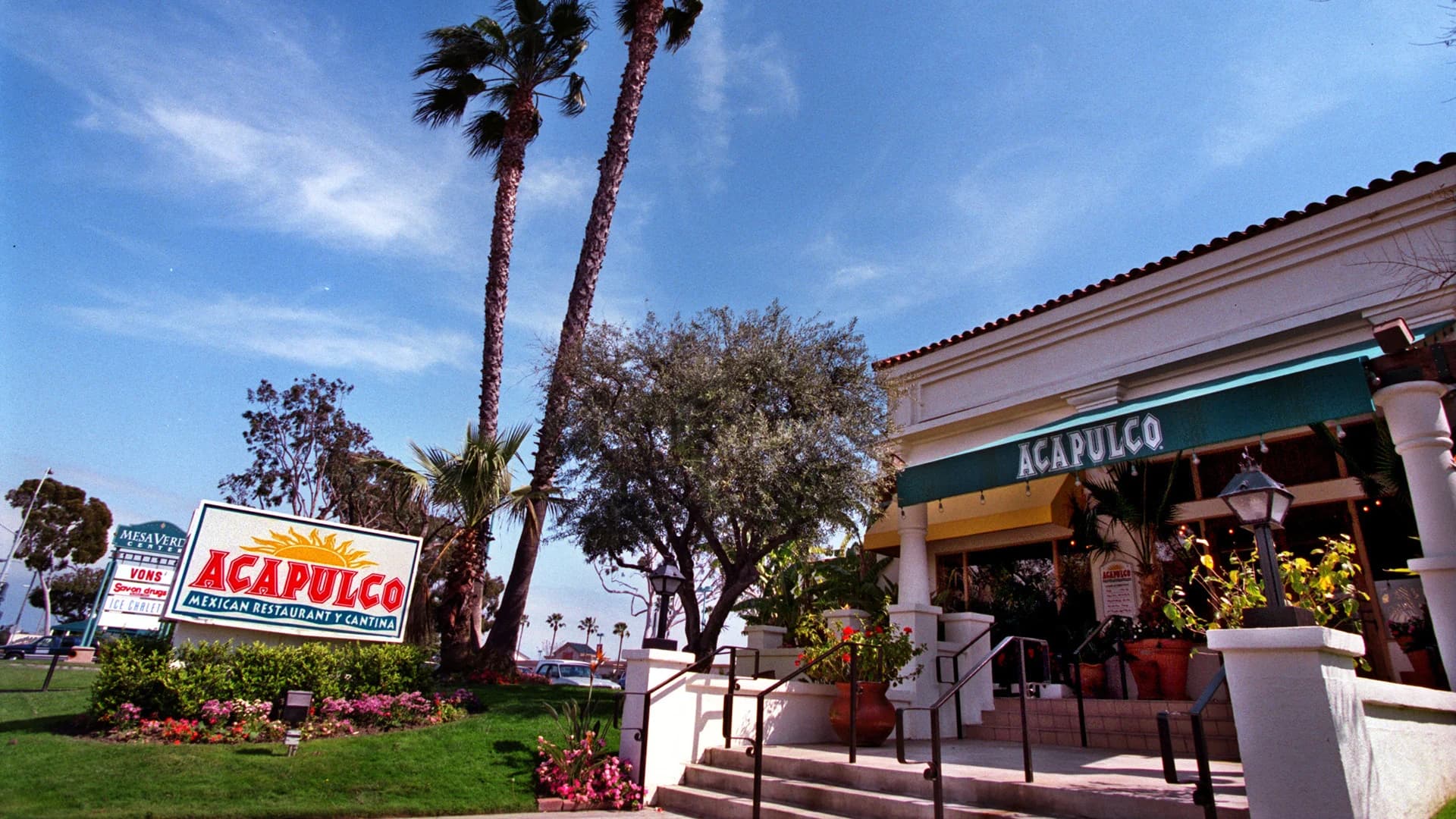
Photo via Inc.
According to Inc., a once-prominent Mexican restaurant chain that launched in Pasadena, California in 1960 has contracted dramatically, now operating just one remaining location after nearly seven decades in business. The restaurant's trajectory serves as a cautionary tale for the broader quick-service and casual dining sectors, particularly relevant as Charlotte's restaurant market continues to evolve.
The decline raises important questions about what causes established dining concepts to lose relevance. Industry analysts point to changing consumer preferences, competition from newer competitors, and the challenge of maintaining consistency across multiple locations as key factors. For Charlotte-area restaurateurs, this underscores the importance of staying responsive to market trends while preserving brand identity.
Charlotte's dining landscape has seen similar consolidations in recent years, with several regional chains scaling back operations or closing entirely. The city's growing food scene—dominated by both national chains and independent operators—rewards establishments that innovate while maintaining quality. Restaurant owners here must balance expansion ambitions with operational realities.
The story highlights broader retail challenges facing legacy businesses: adapting to digital ordering, managing labor costs, and competing against both established national brands and agile upstarts. For Charlotte business leaders in hospitality, the lesson is clear: sustained success requires continuous evolution, not resting on historical achievements.